
Kimerachems discounted research compounds for sale
Discounted research compounds for sale from Kimerachems include clearance, reduced-price and specially designated laboratory materials available for controlled analytical and preclinical research.
Every discounted listing should be reviewed individually before ordering. A reduced price may reflect inventory status, packaging, quantity, product age, discontinued format or another disclosed condition. Researchers should confirm the reason for the discount and determine whether the material remains suitable for the intended laboratory procedure.
Products in this category are supplied exclusively for controlled research and are not intended for human or veterinary consumption, clinical application or personal experimentation.


Discounted Compounds

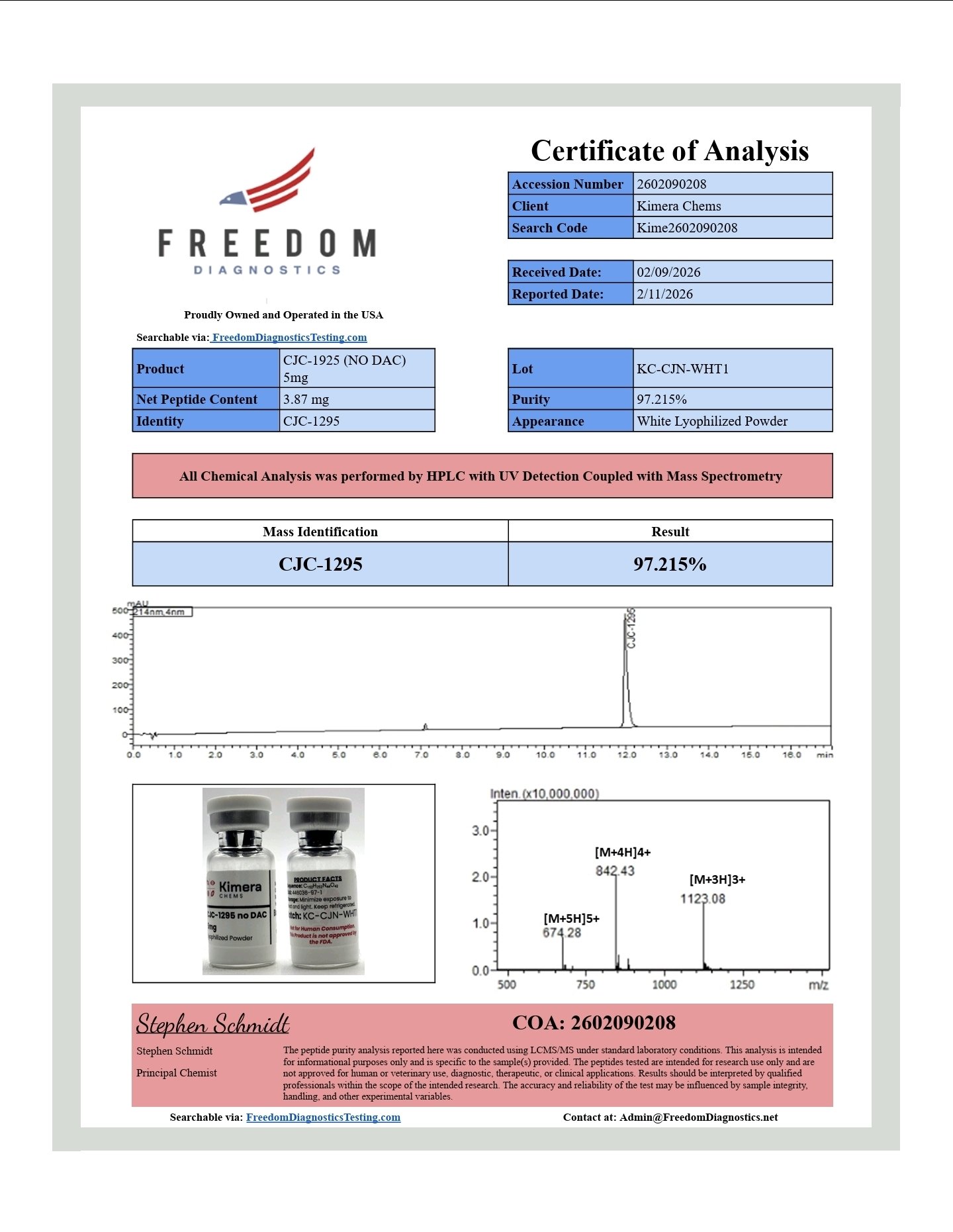
Discounted Compounds
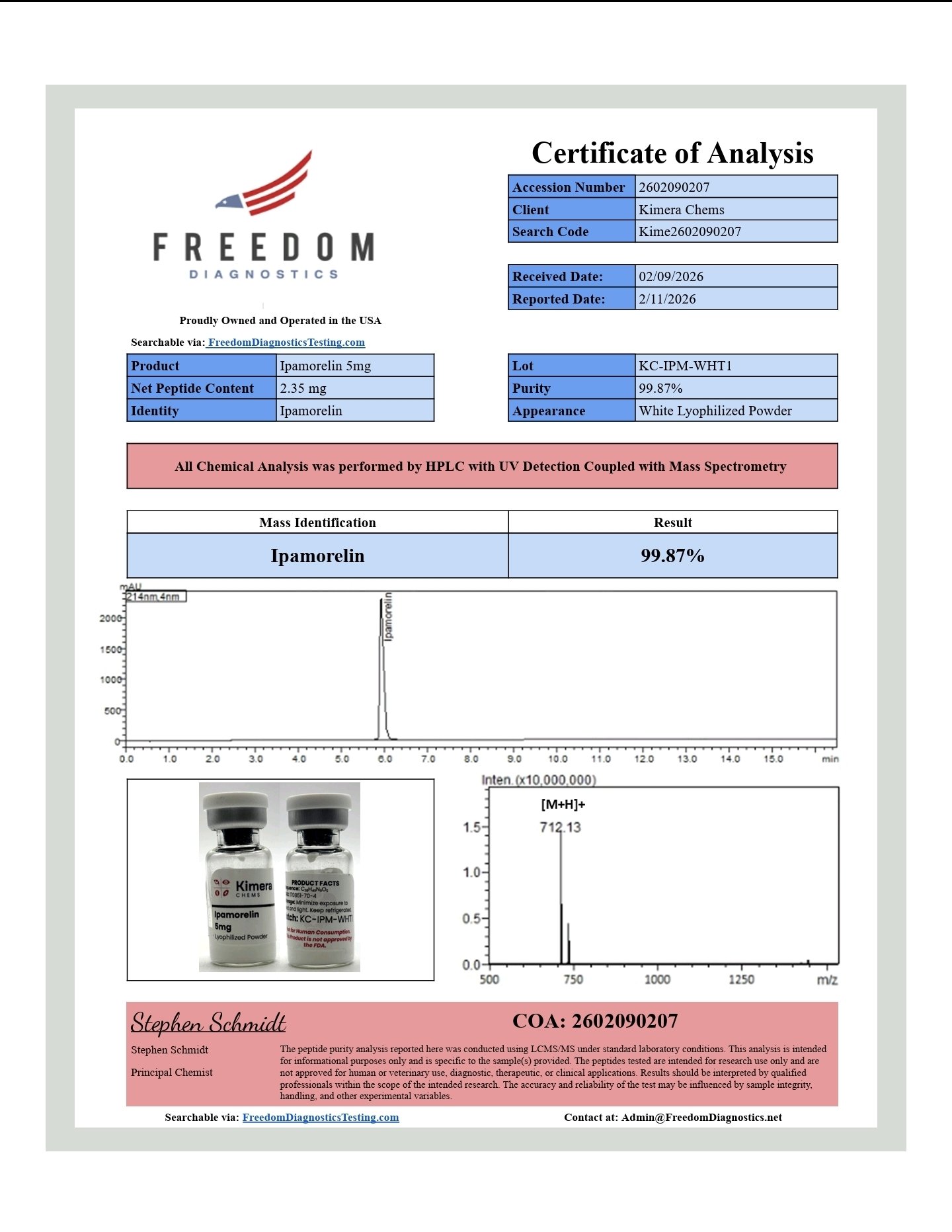
Discounted Compounds
Browse Discounted Laboratory Research Materials
Current discounted materials may include:
Availability can change as clearance inventory is sold or removed. The product page should be treated as the current source for format, quantity, pricing and disclosed product status.
What Does “Discounted” Mean?
A discount describes the commercial status of a listing. It does not by itself define the chemical condition, analytical quality or suitability of the material.
A product may be discounted for reasons including:
- Limited remaining inventory
- Discontinued packaging or format
- Short-dated inventory
- Cosmetic packaging damage
- Older production batch
- Quantity variance
- Product-line consolidation
- Clearance of a specific formulation
The applicable product page should disclose the relevant condition. Researchers should not assume why an item has been reduced if the reason is not clearly stated.
Price and Analytical Suitability Are Different Questions
A lower price does not automatically make a research compound analytically unsuitable. Likewise, a discounted material should not be assumed to meet the requirements of every experiment merely because it remains available for sale.
| Commercial question | Analytical question |
|---|---|
| Why was the price reduced? | What evidence supports the material’s identity? |
| How much inventory remains? | Does the batch documentation match the product? |
| Is the packaging affected? | Could the disclosed condition affect sample integrity? |
| Is the format discontinued? | Is the format compatible with the planned method? |
| Is the sale final? | Is the evidence sufficient for the intended experiment? |
Commercial value should therefore be considered separately from scientific suitability.
How to Evaluate a Discounted Research Compound
Before ordering a clearance material, review the product’s disclosed status and compare it with the requirements of the planned procedure.
Check the following:
- Complete compound or formulation name
- Reason for the discounted designation
- Available quantity or concentration
- Batch or lot number
- Production or testing date
- Storage information
- Packaging condition
- Available analytical documentation
- Any disclosed limitation
- Applicable sale or return conditions
If the discounted condition could affect identity, purity, content, stability or traceability, the material may require additional evaluation before use.
Reviewing Batch Documentation
Batch documentation remains important regardless of price. A discounted product should be connected to the exact material and lot described in the supporting report.
When reviewing a certificate, confirm:
- Product name
- Batch or lot identifier
- Date of analysis
- Testing laboratory
- Analytical methods
- Reported results and units
- Applicable specifications
- Attached chromatograms or spectra
- Authorization or review information
- Reported deviations or limitations
Available reports can be reviewed through the Kimerachems Certificate of Analysis library. Read How to Read a Research Compound COA for a complete document-review workflow.
Identity, Purity and Stability
Identity, purity and stability should be treated as separate considerations. A prior HPLC result may describe chromatographic purity at the time of analysis without establishing current stability under every storage condition.
Researchers should ask:
- What evidence supports compound identity?
- Which method produced the reported purity value?
- When was the material tested?
- How has the batch been stored?
- Could the disclosed condition affect the material?
- Does the intended procedure require current retesting?
Review Research Compound Purity vs Identity and HPLC Purity Percentage Explained for additional guidance.
When Additional Testing May Be Appropriate
Additional analytical testing may be appropriate when the available documentation does not answer the questions required by the planned experiment.
Examples may include:
- Identity confirmation for an older batch
- Chromatographic evaluation for possible degradation
- Quantitative assay where exact content is required
- Water or solvent analysis
- Packaging-integrity concerns
- Comparison with a suitable reference material
The need for additional testing depends on the material, disclosed condition, storage history and intended analytical use.
Discounted Peptides and Research Compounds
Discounted peptides require the same product-specific review as any other peptide research material. Researchers should confirm sequence or compound identity, listed format, batch information, analytical evidence and storage requirements.
A report associated with a standard-price listing should not automatically be assumed to represent the discounted batch. Documentation must match the exact material being evaluated.
Researchers can also review the research peptides catalog when a current standard listing is required.
Storage and Handling
Discounted materials should be stored according to their product-specific requirements. The reduced price does not change the need for controlled temperature, light protection, moisture control, accurate labeling and batch traceability.
Laboratory records should document:
- Date received
- Product and batch identifier
- Discounted or clearance status
- Disclosed condition
- Storage location and conditions
- Date opened
- Preparation history
- Observed changes or deviations
- Final use or disposal
Why Review Kimerachems Clearance Materials?
- Reduced-price research inventory
- Product-specific disclosure where applicable
- Laboratory formats and quantities shown before ordering
- Batch documentation where available
- Certificate of Analysis library
- Analytical education and documentation guides
- Research-use-only positioning
Kimerachems makes designated clearance materials available so qualified researchers can evaluate whether the product, disclosed condition and documentation meet the requirements of a controlled laboratory procedure.
Frequently Asked Questions
Why are some research compounds discounted?
Possible reasons include limited inventory, discontinued formats, short-dated stock, packaging condition, older production batches or product-line changes. Review the individual product disclosure for the applicable reason.
Does discounted mean low purity?
Not automatically. Price status and analytical purity are separate considerations. Review the product-specific documentation and disclosed condition.
Can a discounted compound be used in any experiment?
No material is automatically suitable for every procedure. The researcher must evaluate identity, condition, documentation and method requirements.
Should discounted batches be retested?
Retesting may be appropriate if the available evidence, age, storage history or disclosed condition does not adequately support the intended procedure.
Are clearance purchases returnable?
Review the current product listing and Kimerachems shipping, refund and return policy before ordering because special conditions may apply to clearance inventory.
Are discounted compounds intended for personal use?
No. Every product is supplied strictly for controlled laboratory, analytical and preclinical research and is not intended for human or veterinary consumption.