
Kimerachems Research Peptides for Sale


Peptides


Peptides


Peptides

Peptides


Peptides

Peptides

Peptides


Peptides


Peptides

Peptides
Peptides
Peptides


Peptides


Peptides

Peptides


Peptides

Peptides

Peptides


Peptides


Peptides


Peptides
Peptides

Peptides


Peptides


Peptides


Peptides

Peptides

Peptides


Peptides
Peptides
Peptides


Peptides


Peptides

Peptides

Peptides


Peptides


Peptides


Peptides

Peptides

Peptides
Peptides


Peptides

Peptides
Peptides
Peptides

Peptides


Peptides


Peptides
Browse Laboratory Research Peptides
The Kimerachems peptide catalog includes materials used in biochemical, analytical, molecular and preclinical research workflows. Available listings include individual peptides, modified sequences and multi-compound research systems.
Frequently reviewed materials include:
- BPC-157 research peptide
- Thymosin Beta-4 (TB-500)
- CJC-1295 No DAC
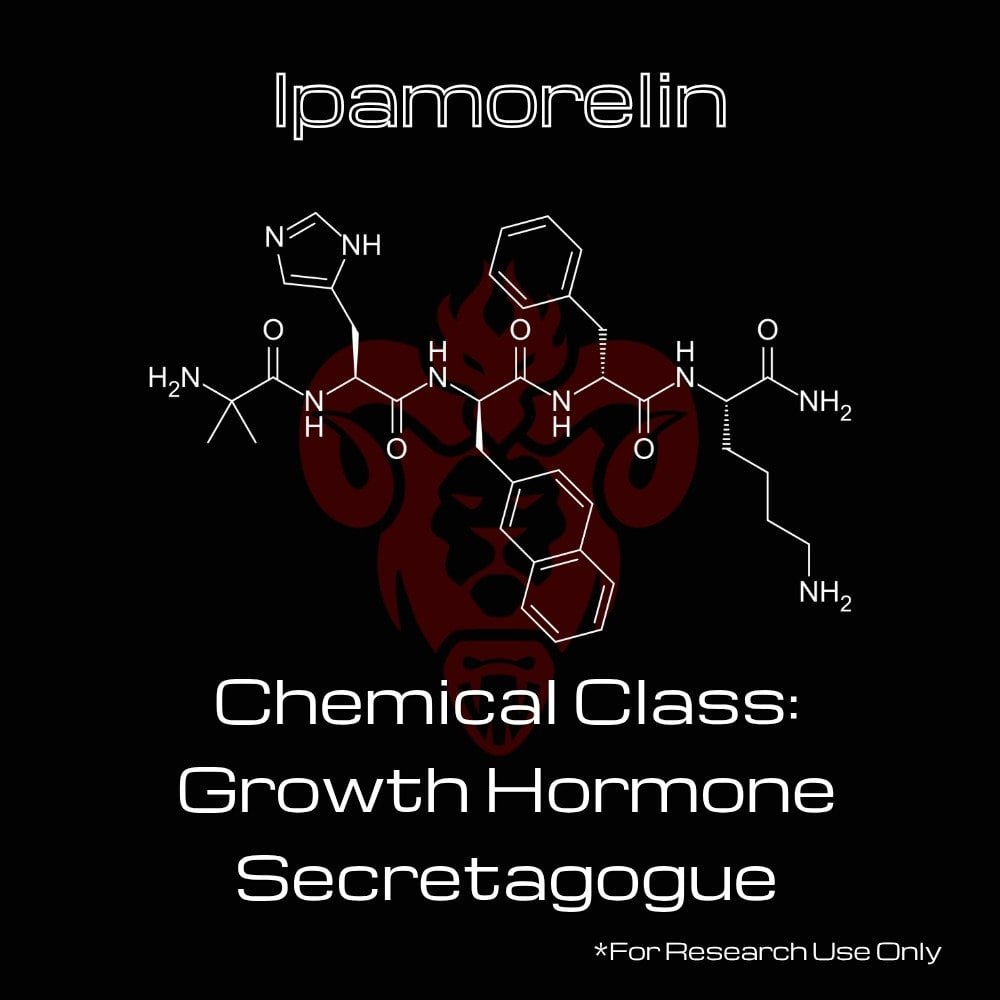
- Ipamorelin
- GHK-Cu
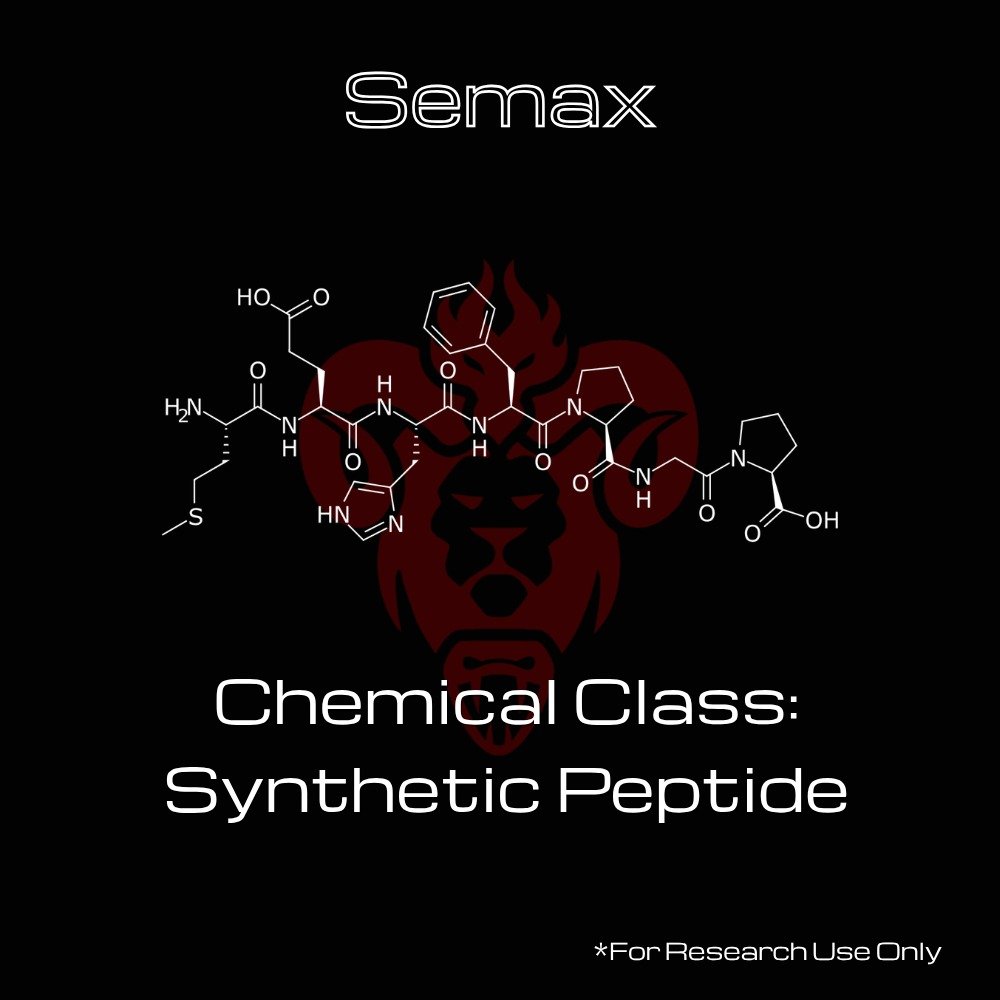
- Semax
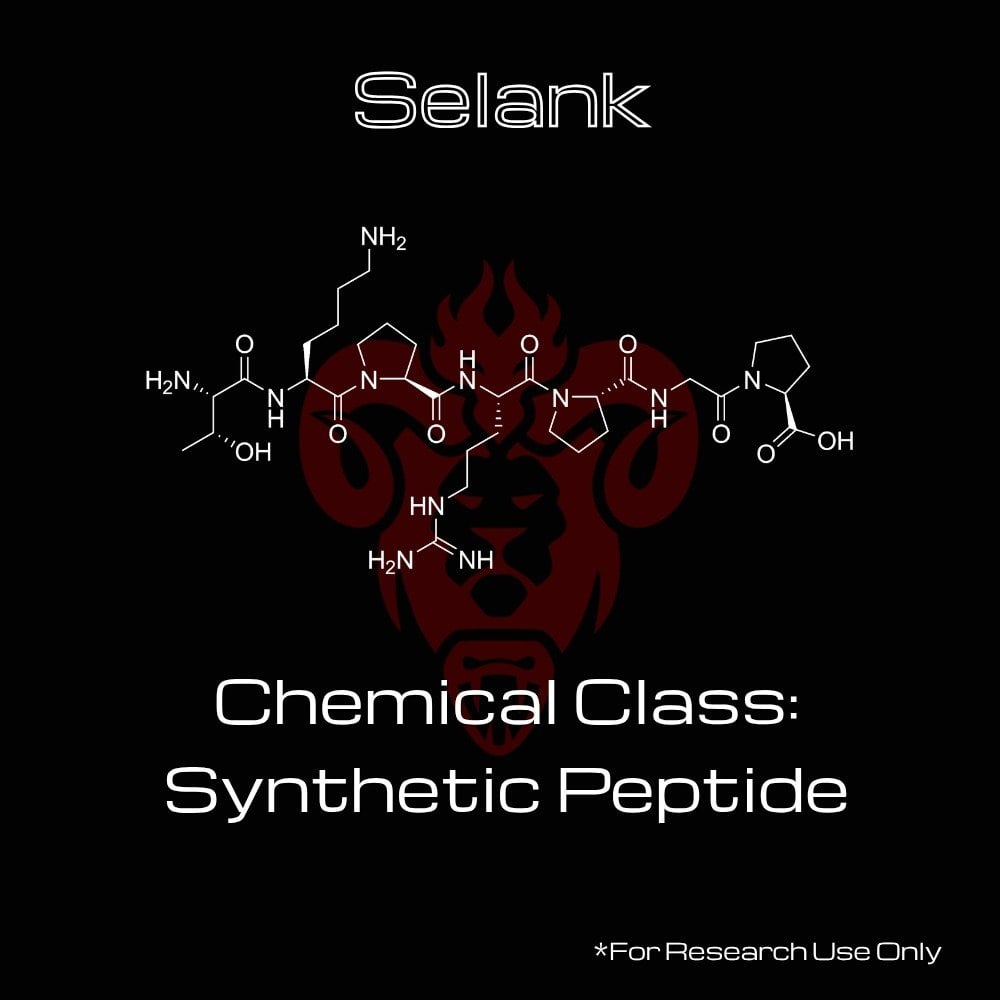
- Selank
- MOTS-C
Each product page identifies the formats currently available and provides product-specific research information. Availability may change, so researchers should confirm the options shown on the applicable product page before ordering.
How to Select Peptide Research Materials
Peptide selection should be based on the analytical objective, experimental design and required material characteristics. A product name alone does not establish that a material is appropriate for a particular protocol.
Before selecting a peptide research material, review:
- The complete compound or sequence name
- Available quantity or concentration
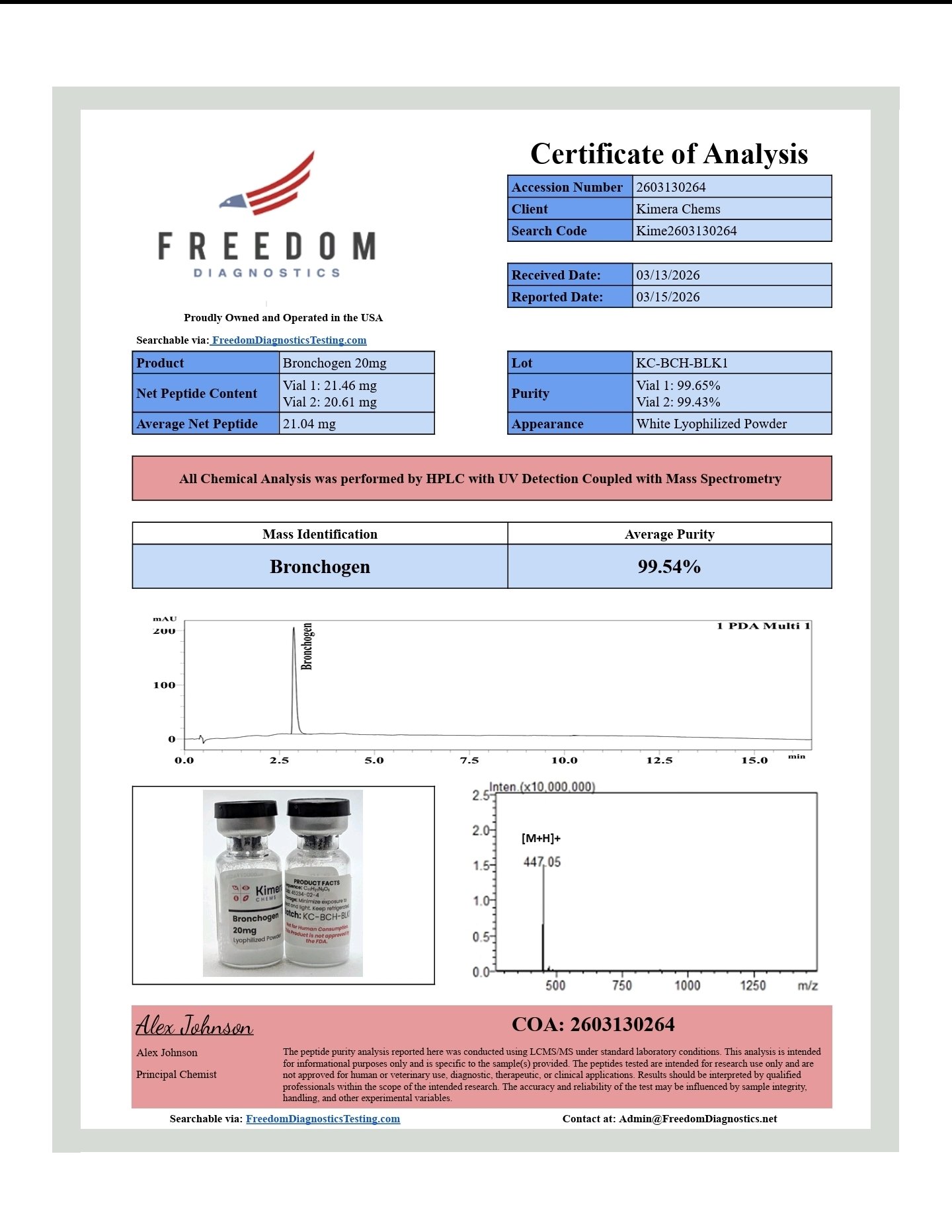
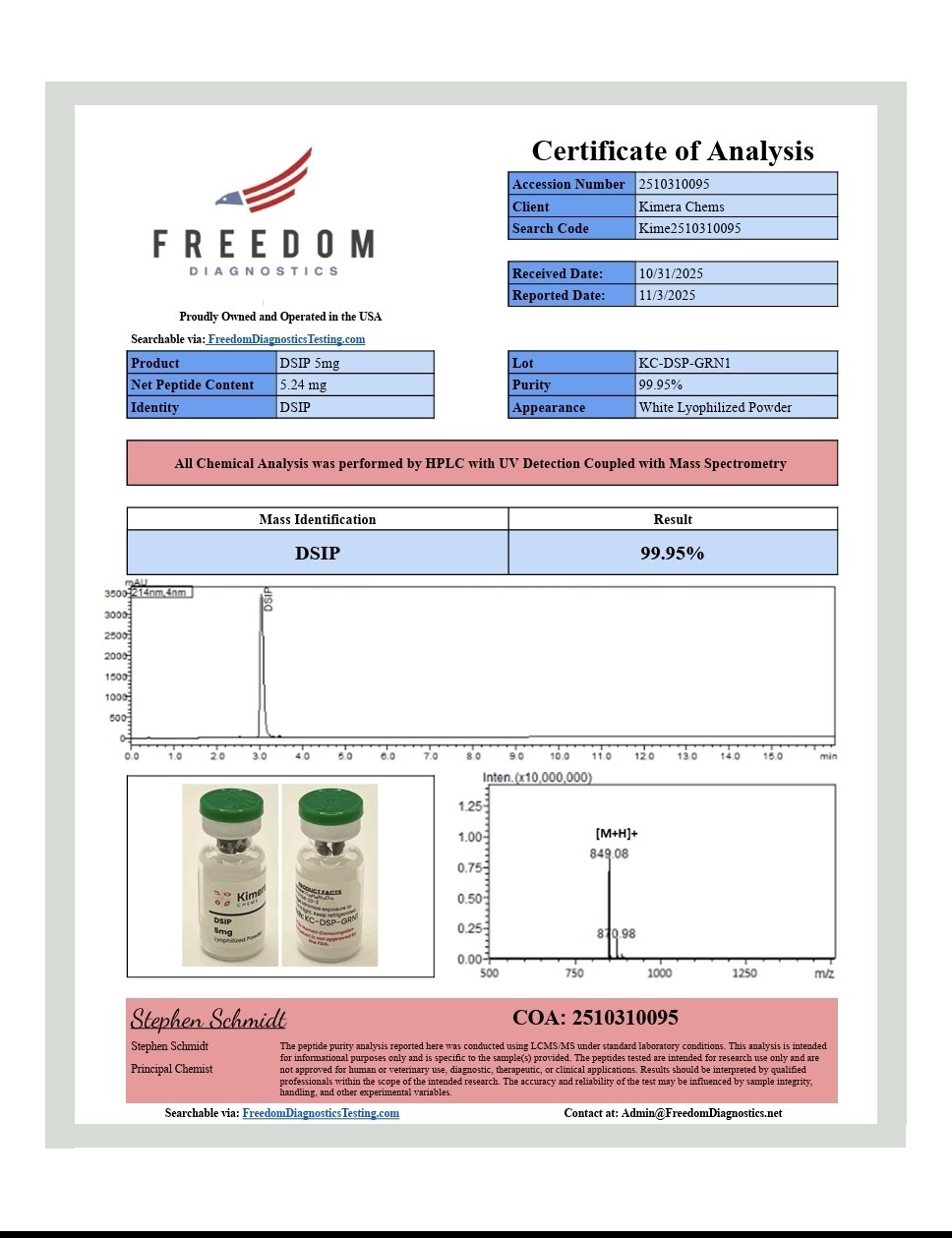
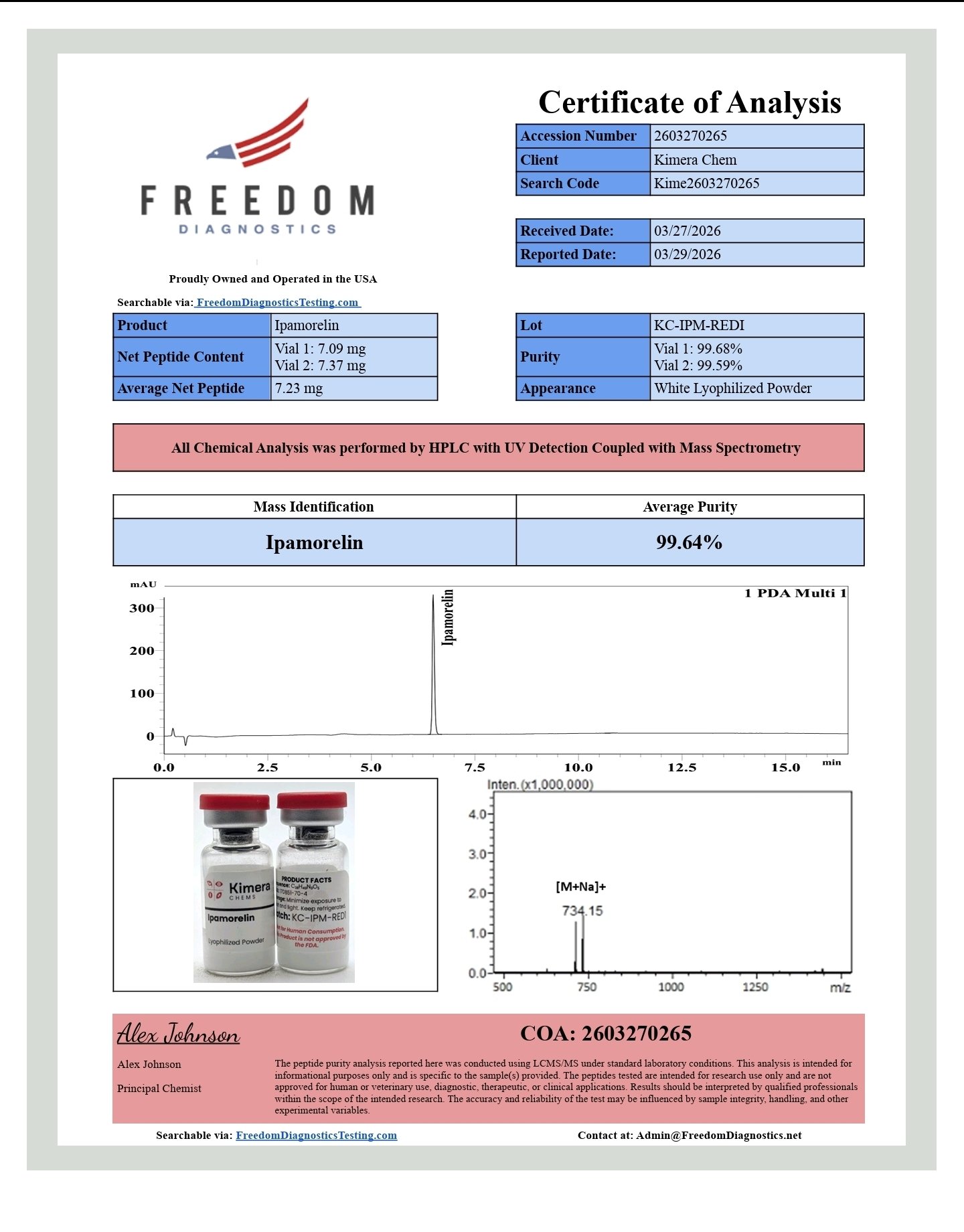
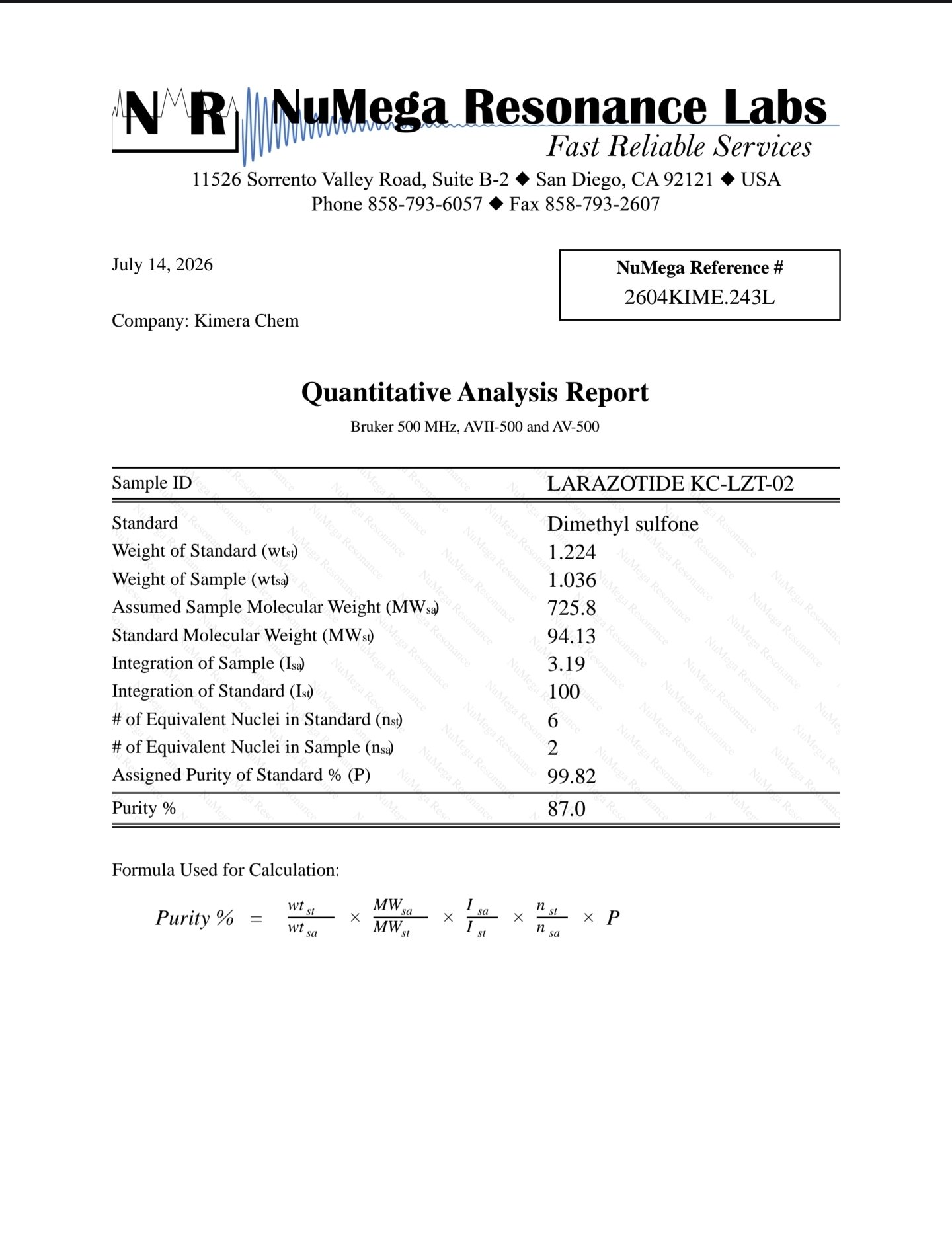
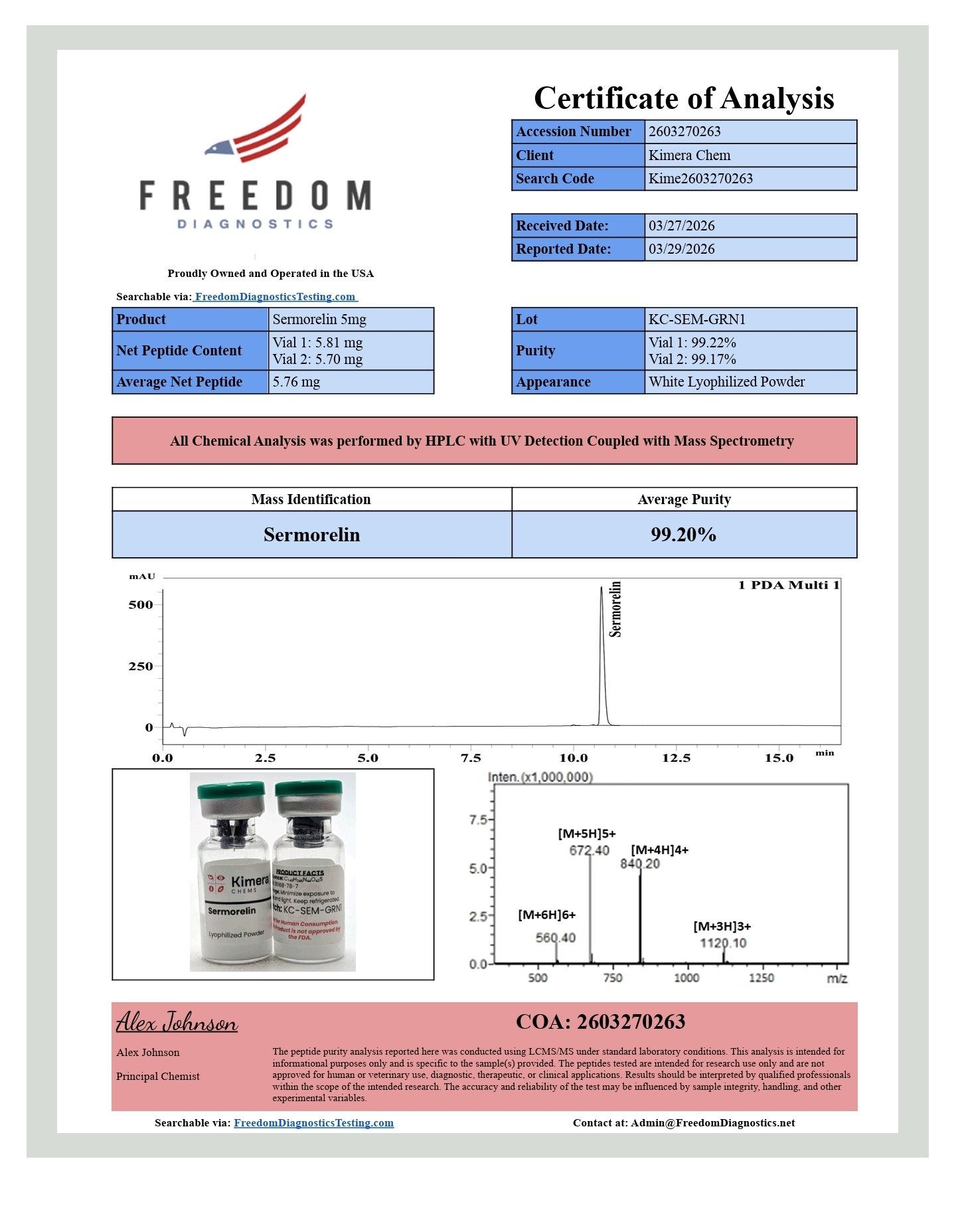
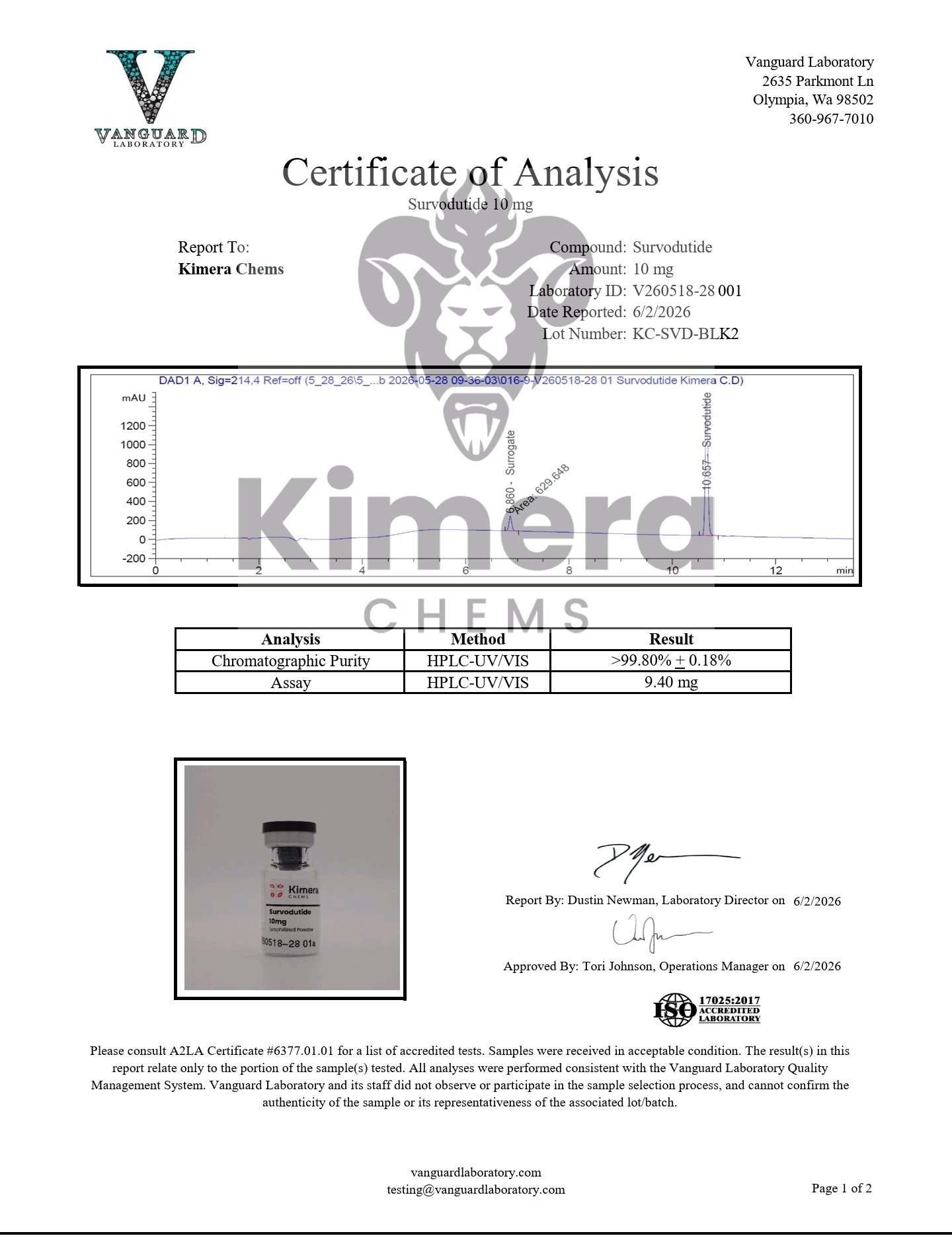
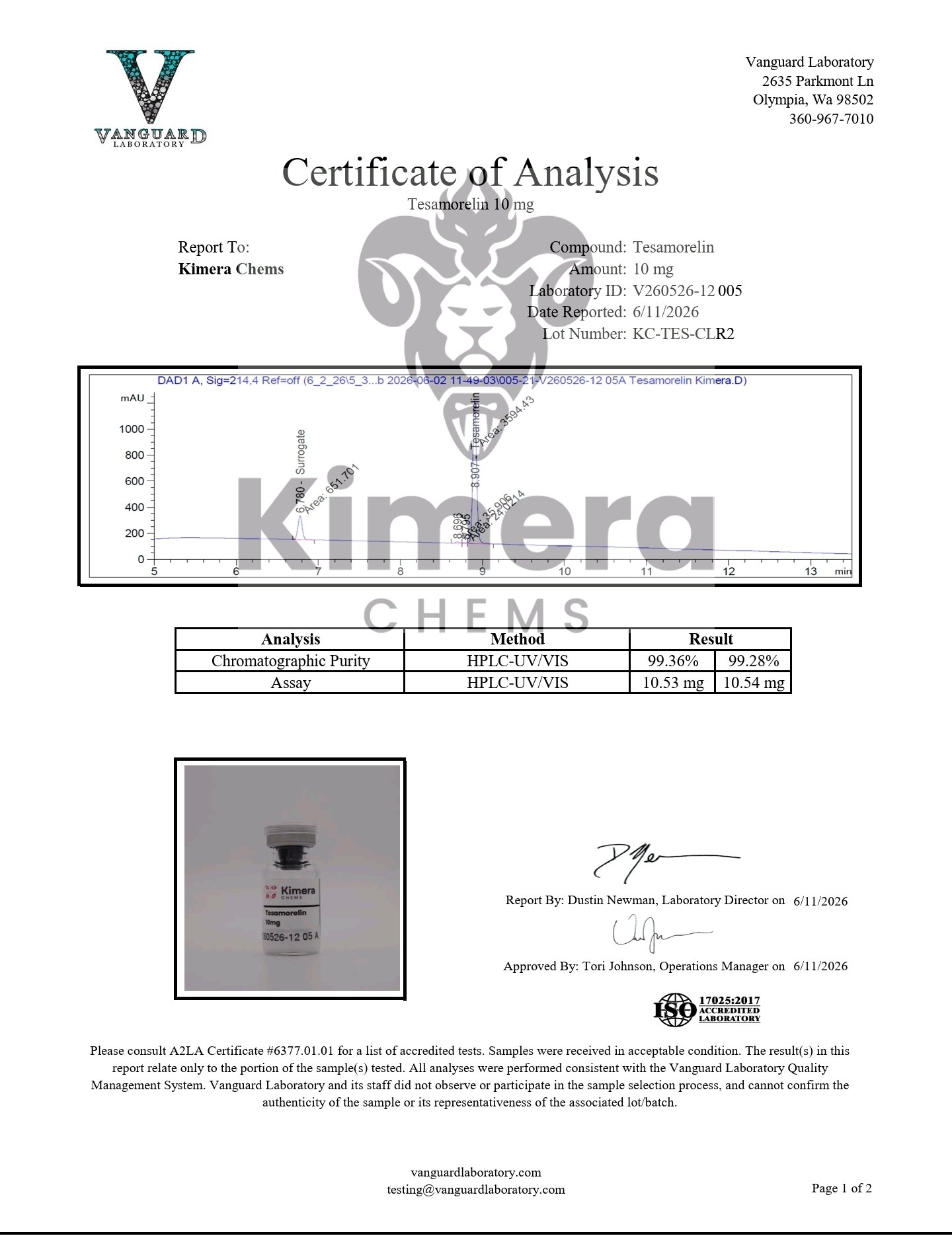
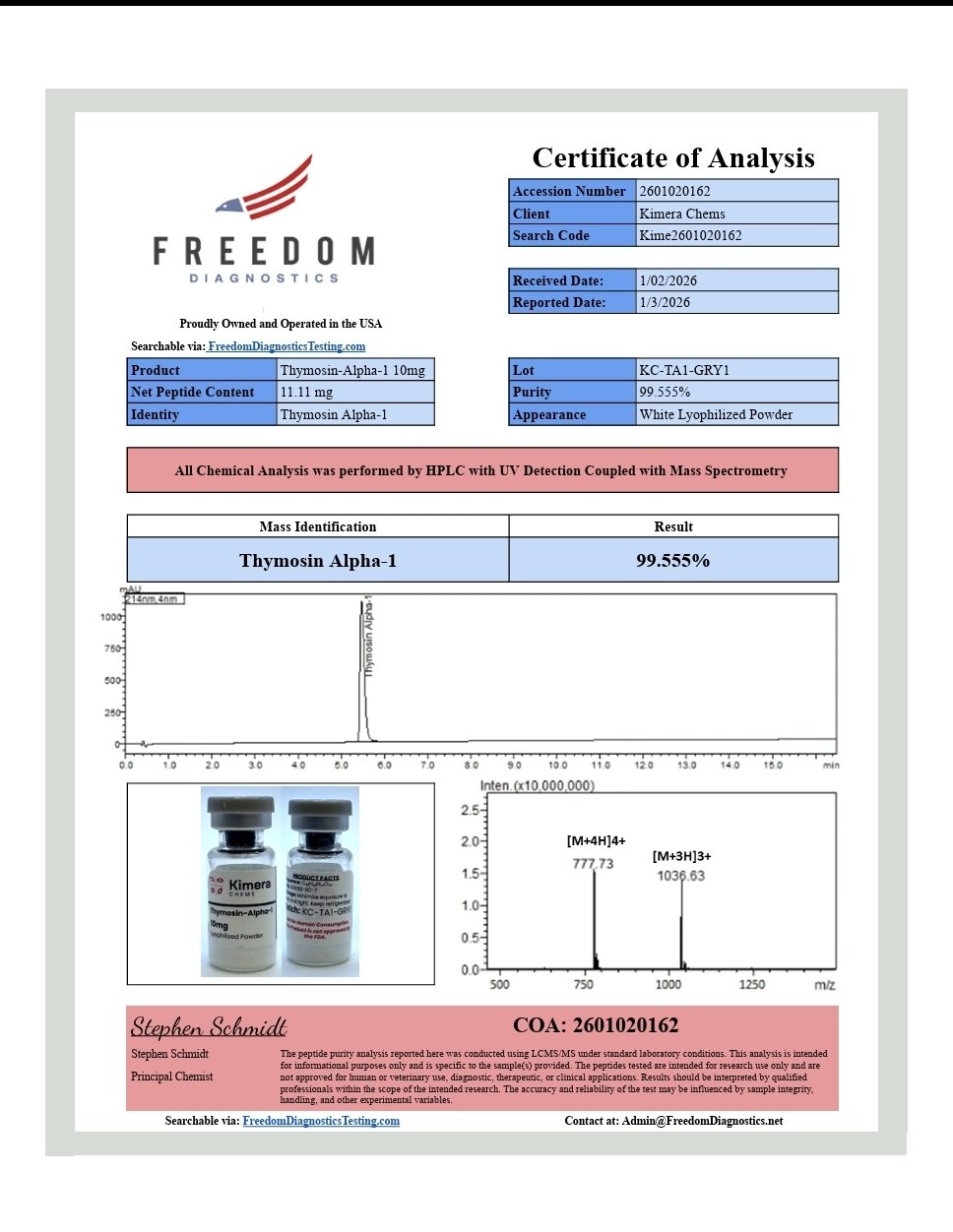
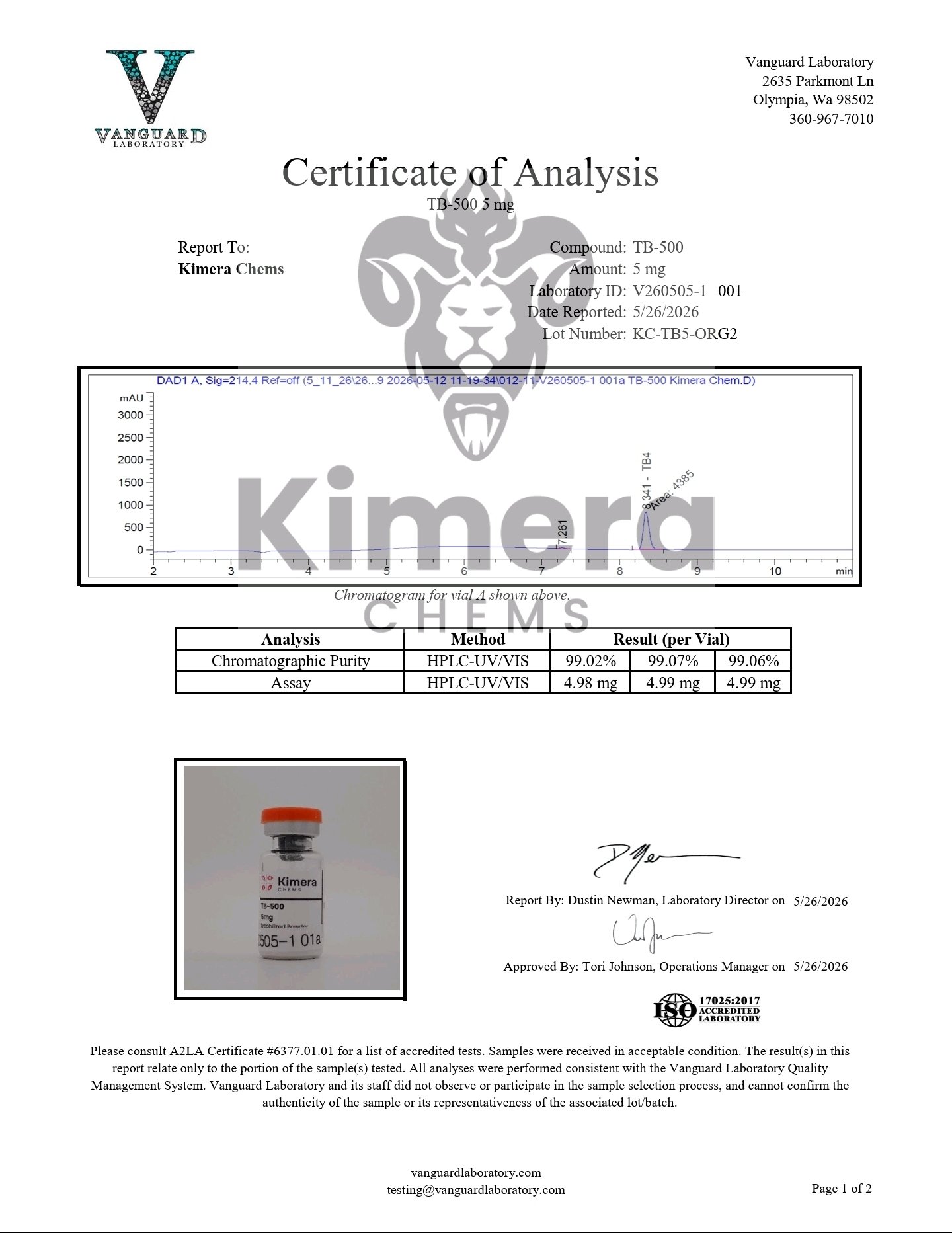
- Reported purity and the analytical method used
- Batch or lot identification
- Available chromatographic or mass-spectrometry data
- Storage and handling requirements
- Reconstitution requirements, where applicable
- The limitations of the supporting documentation
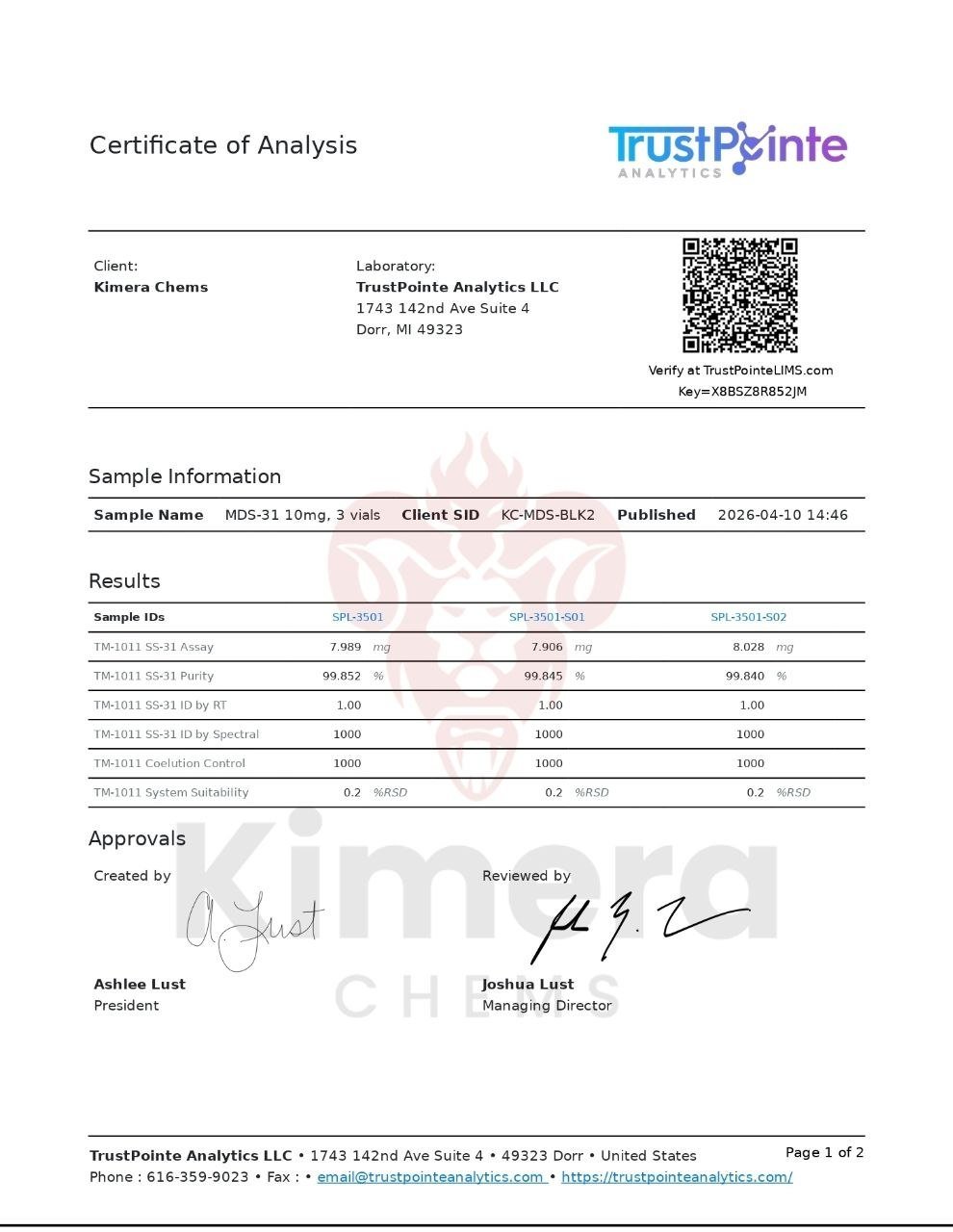
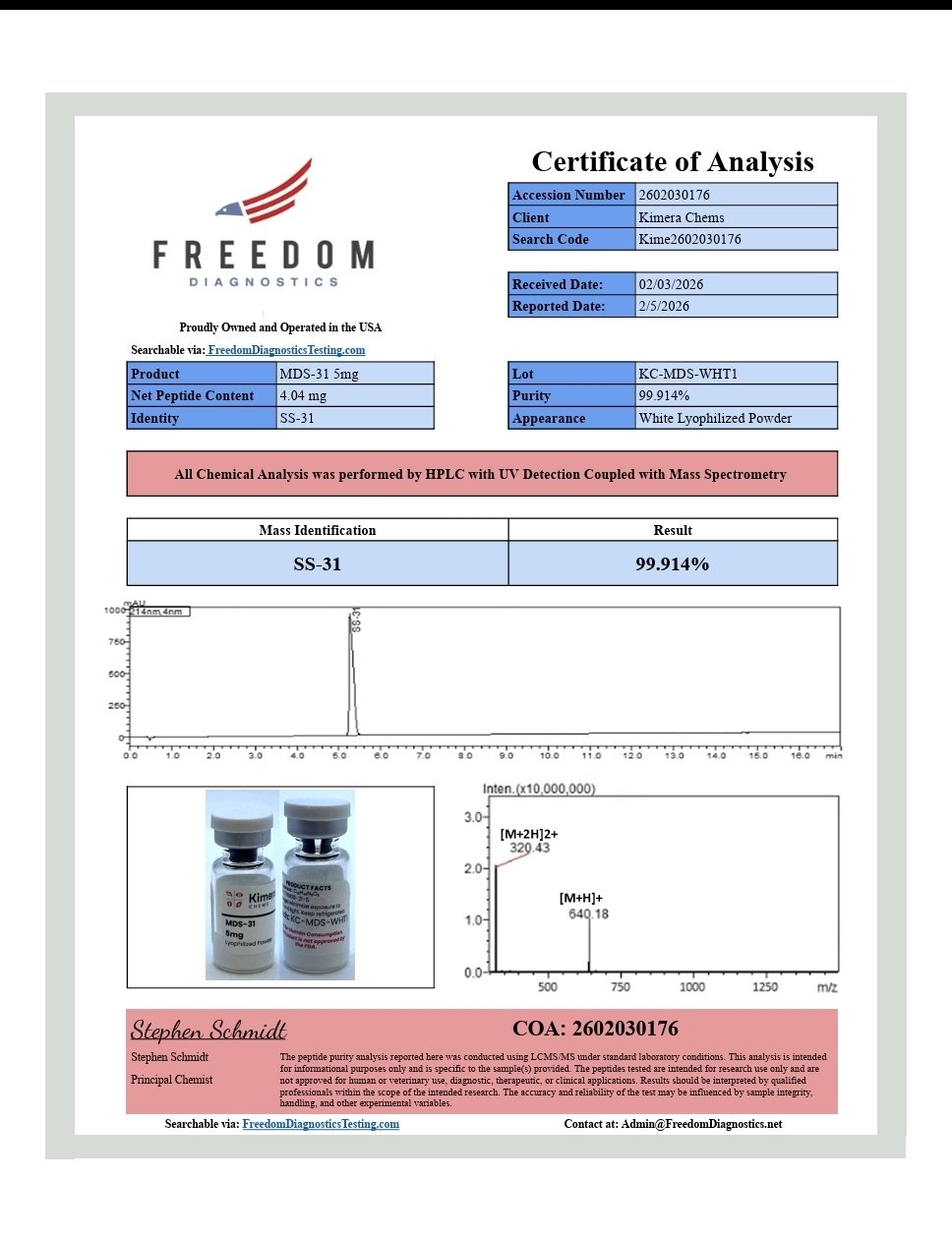
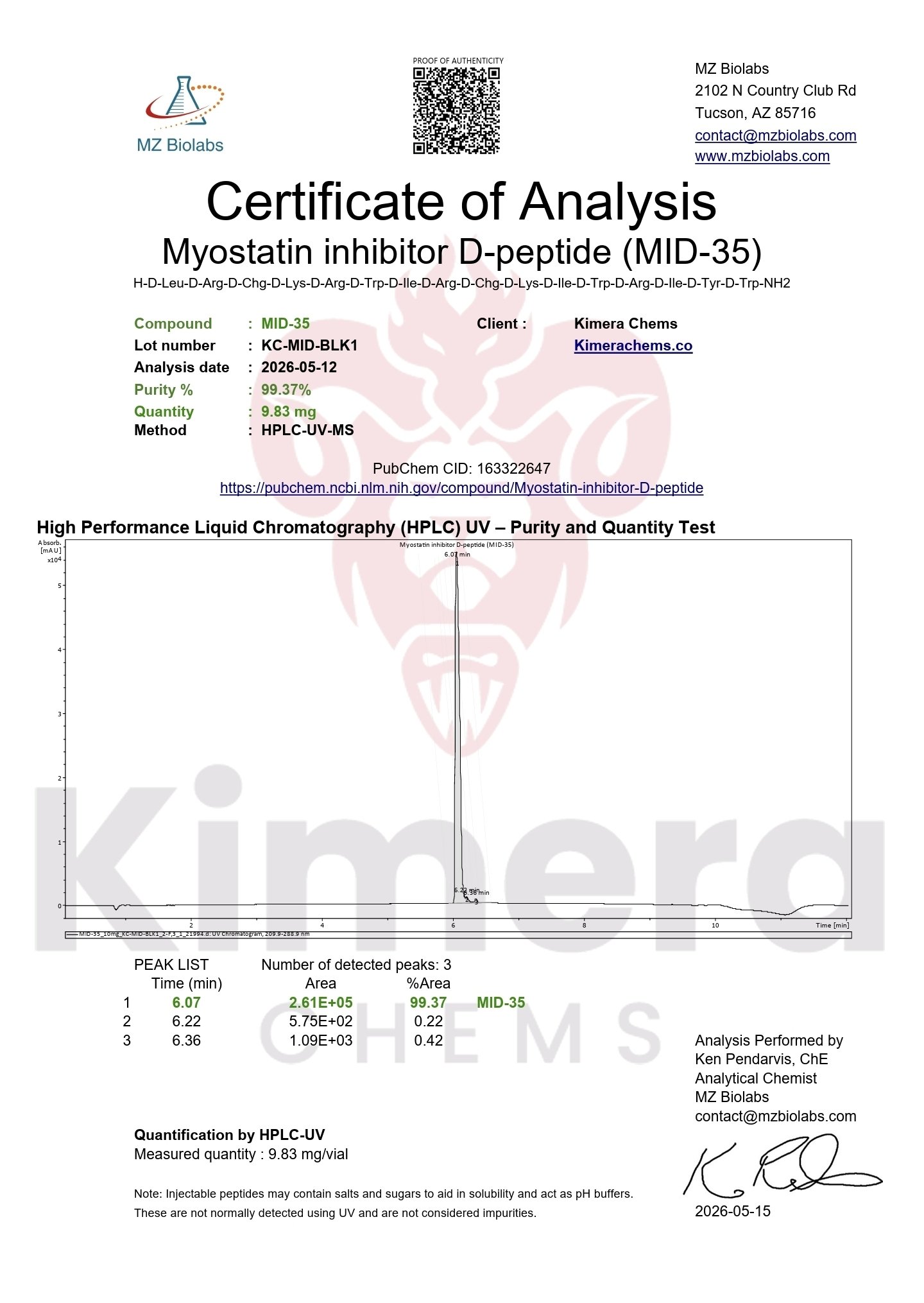
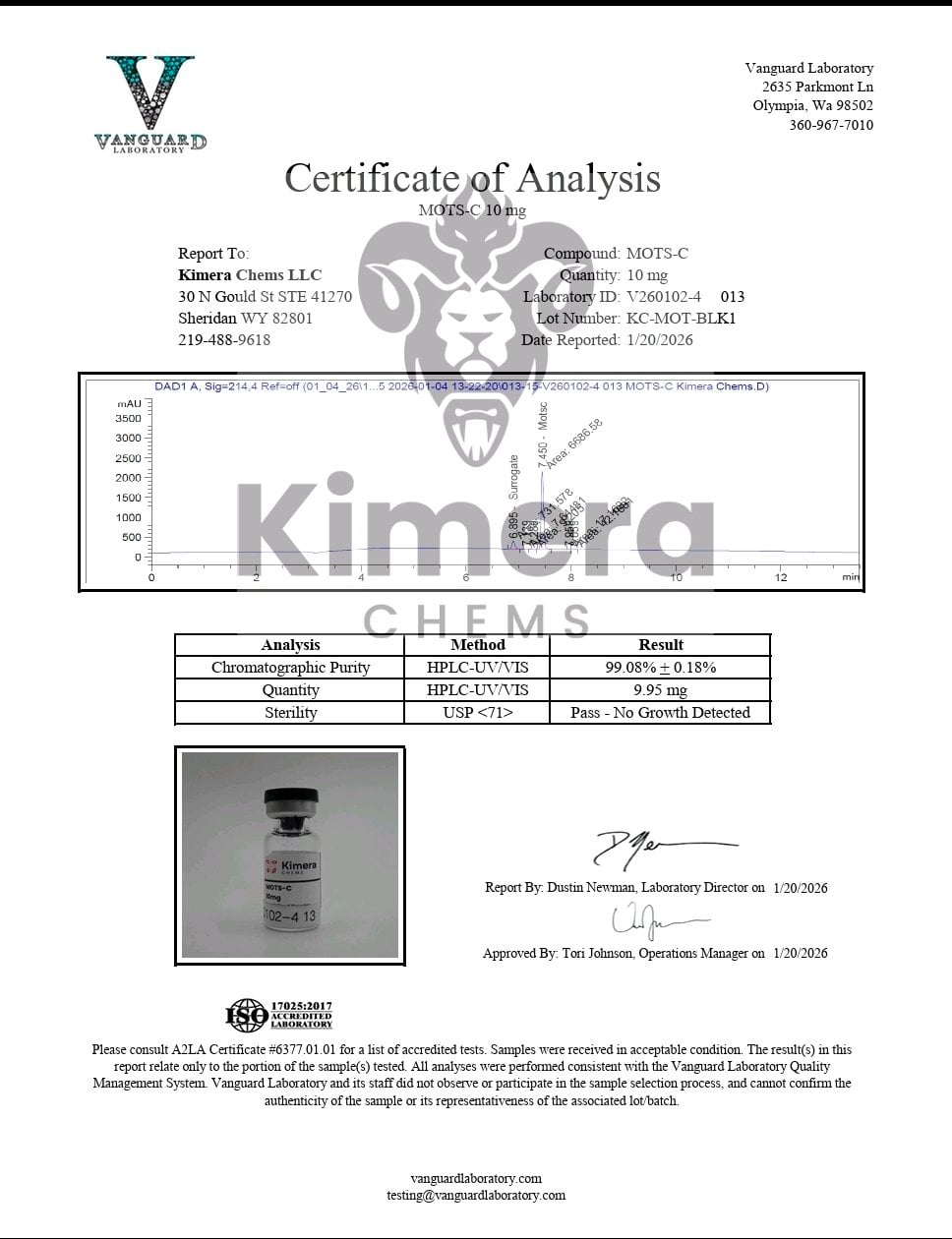
Where available, documentation should be matched to the exact product and batch being evaluated. Visit the Kimerachems Certificate of Analysis library to review published batch records.
Understanding Peptide Purity and Identity
Reported purity and confirmed identity are related but separate analytical questions. Chromatographic procedures such as HPLC can help evaluate the principal peak relative to detectable secondary components. Mass spectrometry can provide molecular-mass evidence, while suitable structural methods may provide additional identity information.
A high chromatographic purity percentage does not independently prove molecular identity, absolute content or the absence of every possible component. Researchers can review research compound purity versus identity and the guide to HPLC purity percentages for additional analytical context.
Research Peptide Storage and Handling
Storage requirements can differ between peptide materials and formats. Researchers should follow product-specific documentation and established laboratory procedures rather than applying one storage condition to the entire category.
Appropriate practices may include controlling temperature, moisture, light exposure and repeated freeze-thaw cycles. Materials should remain correctly labeled and traceable to their batch documentation throughout the research workflow.
Why Order Research Peptides from Kimerachems?
- Broad catalog of individual peptides and research blends
- Product-specific formats and specifications
- Batch documentation where available
- Internal resources explaining analytical results
- Materials supplied exclusively for controlled research
Kimerachems organizes its peptide catalog to help researchers compare available materials and documentation efficiently. Product selection remains the responsibility of the qualified researcher and should follow institutional procedures, applicable regulations and an established experimental protocol.
Research Peptide Questions
What are research peptides supplied for?
Research peptides are supplied for controlled laboratory, analytical and preclinical investigation. Products in this category are not intended for human consumption, veterinary administration or clinical application.
Can I review documentation before ordering?
Available batch documentation can be reviewed through the Certificate of Analysis library. Researchers should confirm that the product and batch identifiers correspond with the material being evaluated.
Does an HPLC purity percentage confirm peptide identity?
No. HPLC can provide evidence about chromatographic purity under specified conditions, but complementary analytical evidence may be required to support molecular identity.
Are all research peptides stored under the same conditions?
No. Storage conditions depend on the peptide, formulation and intended analytical workflow. Follow the product-specific documentation and established laboratory procedures.
Are Kimerachems peptides intended for personal use?
No. All materials are supplied strictly for controlled laboratory research and are not intended for personal, household, diagnostic, therapeutic or consumption purposes.