
Kimerachems research compound blends for sale
Research compound blends for sale from Kimerachems include multi-component formulations and research systems intended for controlled analytical, biochemical and preclinical laboratory workflows.
Compare listed components, available formats, formulation information and batch documentation before ordering. Multi-compound materials require additional review because the identity, quantity and analytical behavior of each component can affect the interpretation of the complete system.
All products in this category are supplied exclusively for laboratory research and are not intended for human or veterinary consumption, clinical use or personal experimentation.
Multi-Compound Systems

Multi-Compound Systems
Multi-Compound Systems


Multi-Compound Systems
Browse Multi-Compound Research Systems
Kimerachems multi-compound systems include research blends and formulated materials containing two or more listed components.
- RAD-140/YK-11
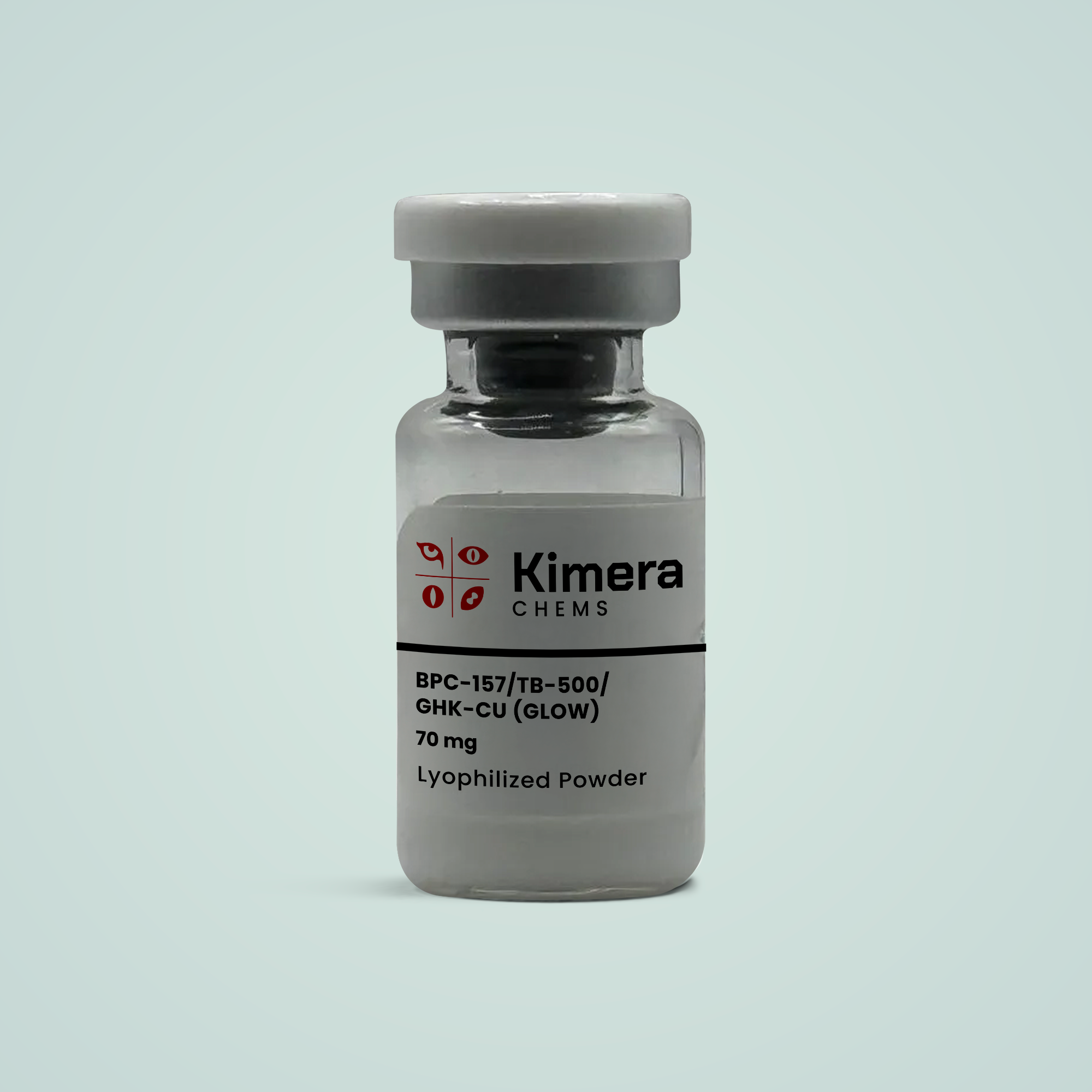
- BPC-157/TB-500/GHK-CU (GLOW)
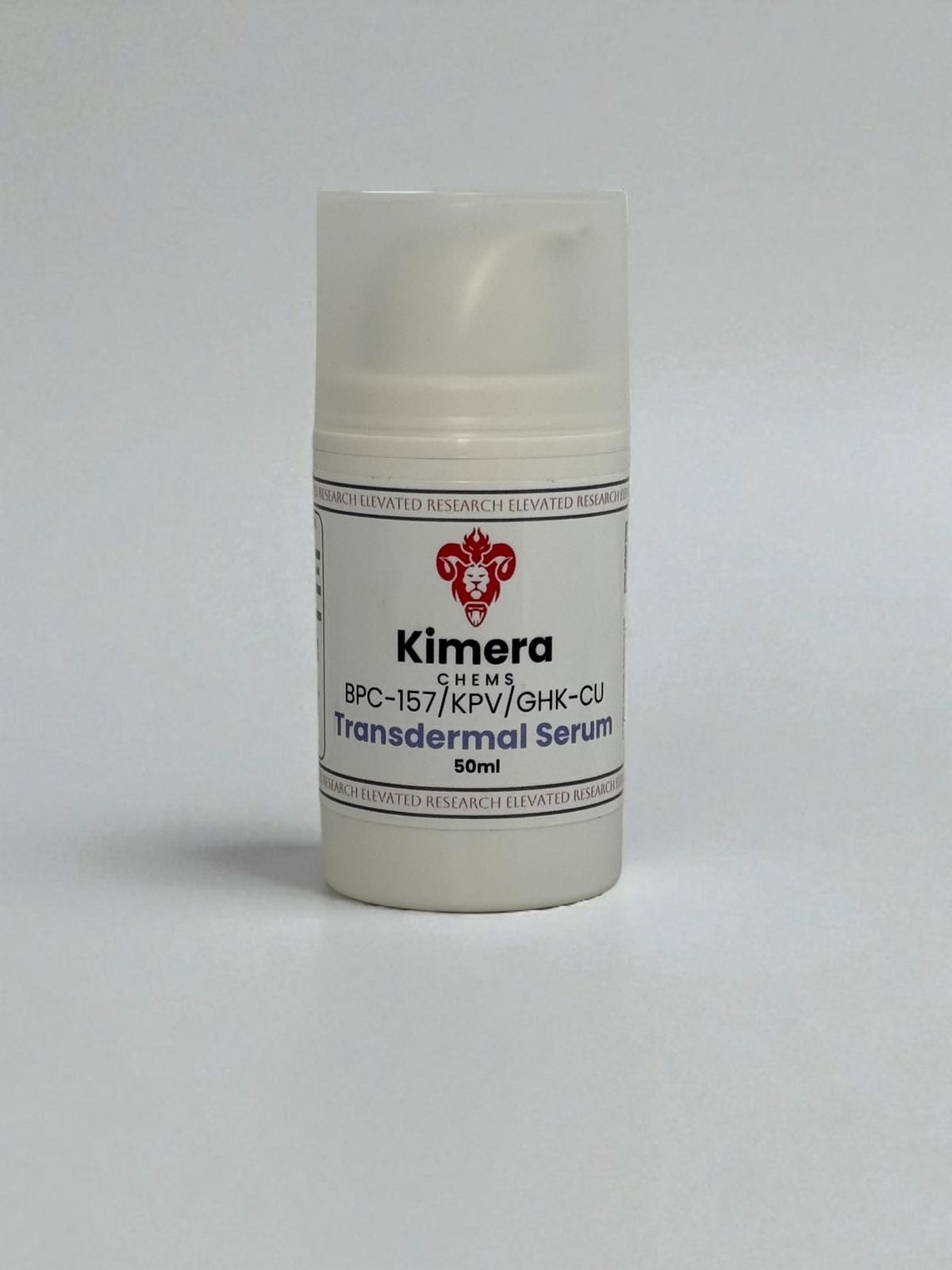
- KLOW Transdermal Serum
- Formulas/Blends Discounted and Clearance
Researchers should review each listing individually. Similar product names do not establish that two formulations contain identical components, concentrations, matrices or analytical specifications.
Why Multi-Compound Materials Require Additional Review
A single-compound material can often be evaluated by focusing on one expected identity and one principal analytical response. A multi-compound system introduces additional variables.
| Review area | Question to answer |
|---|---|
| Component identity | Is every listed component clearly identified? |
| Component quantity | Is the amount or concentration of each component stated? |
| Formulation matrix | Which solvents, carriers or supporting materials are present? |
| Analytical separation | Can the method distinguish every expected component? |
| Detector response | Do the components respond equally under the reported conditions? |
| Batch traceability | Does the documentation correspond with the complete formulation and batch? |
A blend should not be treated as fully characterized simply because one component produces the expected chromatographic peak or molecular-mass signal.
How to Select a Research Compound Blend
Selection should begin with the experimental objective and the reason a combined system is required. Researchers should determine whether the planned procedure is designed to evaluate the complete formulation, compare individual components or investigate interactions under controlled conditions.
Before ordering, review:
- The complete product and formulation name
- Every listed component
- The stated amount or concentration of each component
- The total product quantity
- The physical format and formulation matrix
- Available analytical methods
- Storage and handling requirements
- Batch or lot documentation
- Whether the material is discounted or clearance stock
If the amount of each component is not clearly stated, the material may be unsuitable for procedures requiring defined component ratios or quantitative interpretation.
Component-Level Identity Matters
Multi-compound identity cannot be established solely by detecting one expected component. The evidence package should address every material that the formulation claims to contain.
Depending on the formulation, identity evidence may include:
- Expected retention characteristics
- Molecular-mass values
- Mass-spectral fragmentation patterns
- NMR features
- Reference-material comparison
- Other suitably selective analytical procedures
If several components share similar chemical properties, the method must provide adequate selectivity to distinguish them. Co-elution or overlapping spectral features can make interpretation more difficult.
Purity Is More Complex in a Blend
A single overall chromatographic percentage may not communicate the purity or quantity of each component in a multi-compound system. Components can differ in detector response, ionization efficiency, absorbance and concentration.
Researchers should determine whether a reported value represents:
- The purity of an individual component before formulation
- The area percentage of a selected chromatographic peak
- The combined response of several components
- The quantitative assay of each component
- The nominal formulation amount
- A total value calculated by another procedure
These measurements are not interchangeable. Review Research Compound Purity vs Identity and HPLC Purity Percentage Explained for additional analytical context.
Analytical Method Considerations
A suitable method should detect, separate or quantify the relevant components within the formulation matrix. One method may not answer every analytical question.
Important considerations include:
- Chromatographic resolution between components
- Detector wavelength and response
- Expected concentration range
- Matrix interference
- Reference-material availability
- Peak integration and reporting thresholds
- Ion suppression in mass spectrometry
- Overlapping NMR signals
- Method detection and quantitation limits
The guides to HPLC Peak Resolution, HPLC Detection Wavelength and HPLC LOD and LOQ explain several of these factors.
Reviewing Batch Documentation
A multi-compound certificate should connect the reported results to the complete formulation and exact batch. A report for one isolated component should not automatically be treated as evidence for the finished blend.
Check the following:
- Complete formulation name
- Every listed component
- Stated component quantities or concentrations
- Batch or lot number
- Date of analysis
- Testing laboratory
- Analytical methods used
- Results and specifications for each component
- Supporting chromatograms or spectra
- Reported limitations or deviations
Available records can be reviewed through the Kimerachems Certificate of Analysis library. Researchers can also follow the workflow in How to Read a Research Compound COA.
Discounted and Clearance Formulations
A discounted or clearance designation should be evaluated separately from analytical suitability. Before ordering a discounted research formulation, review the reason for the designation and determine whether it affects the intended procedure.
Confirm:
- Current product status
- Available quantity
- Batch and production date
- Storage history, where documented
- Packaging condition
- Available analytical documentation
- Any disclosed limitation
Price reduction does not establish that a material is suitable or unsuitable for a specific experiment. That decision should be based on documentation and method requirements.
Storage and Formulation Traceability
Storage requirements may be influenced by the least stable component and the complete formulation matrix. Follow product-specific documentation and established laboratory procedures.
Laboratory records should document:
- Product and batch identifiers
- Complete listed composition
- Date received and opened
- Storage location and conditions
- Preparation or dilution history
- Personnel responsible
- Observed changes or deviations
- Final use or disposal
Why Order Research Blends from Kimerachems?
- Catalog of multi-component research systems
- Peptide and small-molecule combinations
- Multiple laboratory formats where available
- Product-specific component information
- Batch documentation where provided
- Certificate of Analysis library
- Research-use-only product positioning
Kimerachems provides multi-compound materials to support controlled laboratory investigation. Researchers remain responsible for evaluating component identity, composition, method suitability and supporting documentation before use.
Frequently Asked Questions
What is a multi-compound research system?
It is a laboratory material containing two or more listed research components or a formulated system designed for controlled analytical or preclinical investigation.
Does one purity percentage describe every component?
Not necessarily. Each component may require separate chromatographic or quantitative evaluation because detector response and concentration can differ.
Can one component’s COA represent the complete blend?
No. Documentation for an isolated component does not automatically characterize the finished multi-component formulation.
Why is chromatographic resolution important?
Adequate resolution helps distinguish individual components and prevents overlapping peaks from being interpreted as one signal.
Are discounted blends unsuitable for research?
Not automatically. Researchers should review the reason for the discount, batch information, condition, storage history and available documentation.
Are these formulations intended for personal use?
No. Every product is supplied strictly for controlled laboratory, analytical and preclinical research and is not intended for human or veterinary consumption.