
Kimerachems Research selective modulators

Selective Modulators


Selective Modulators

Selective Modulators


Selective Modulators

Selective Modulators


Selective Modulators

Selective Modulators

Selective Modulators

Selective Modulators


Selective Modulators


Selective Modulators


Selective Modulators
Selective Modulators


Selective Modulators


Selective Modulators


Selective Modulators


Selective Modulators

Selective Modulators

Selective Modulators
Browse Selective Modulator Research Compounds
Selective modulators are investigated for their ability to interact with particular receptors, enzymes, or signaling pathways under controlled experimental conditions. Differences in structure, binding behavior, selectivity, and downstream response make accurate product identification essential.
Available research materials include:
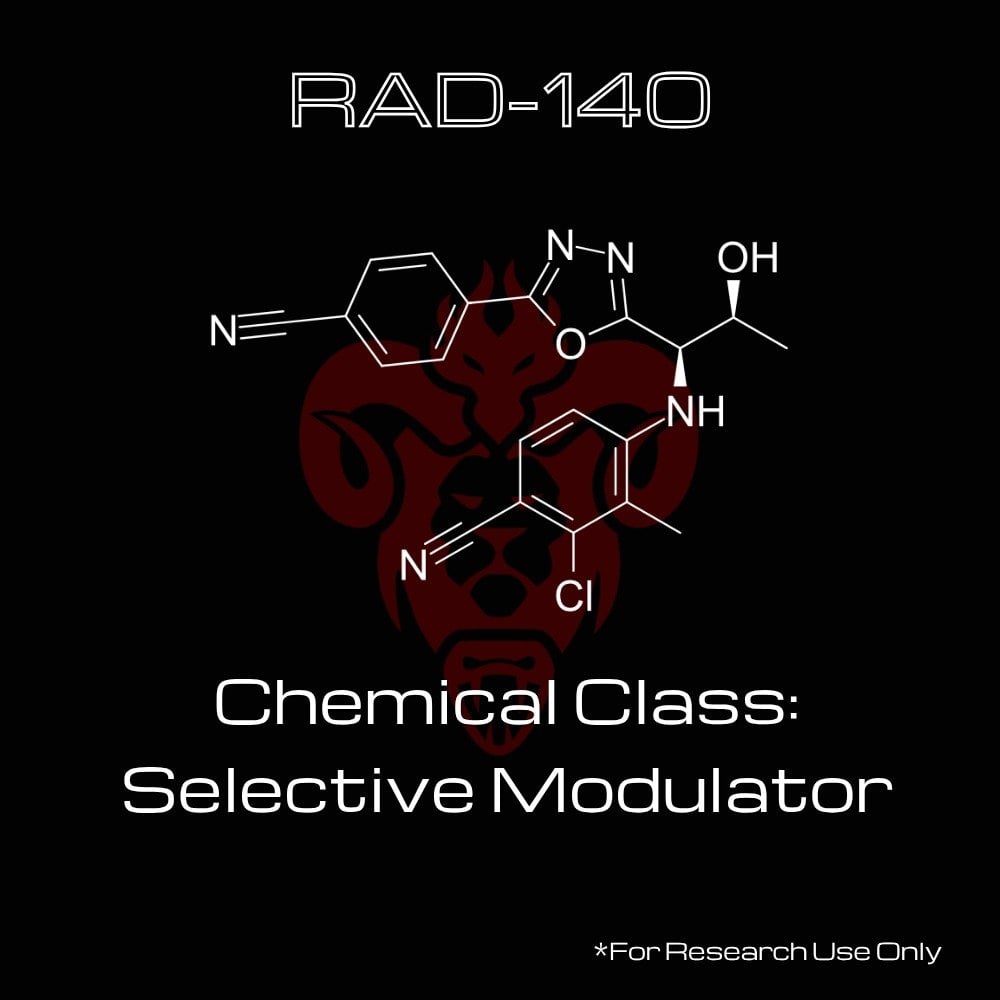
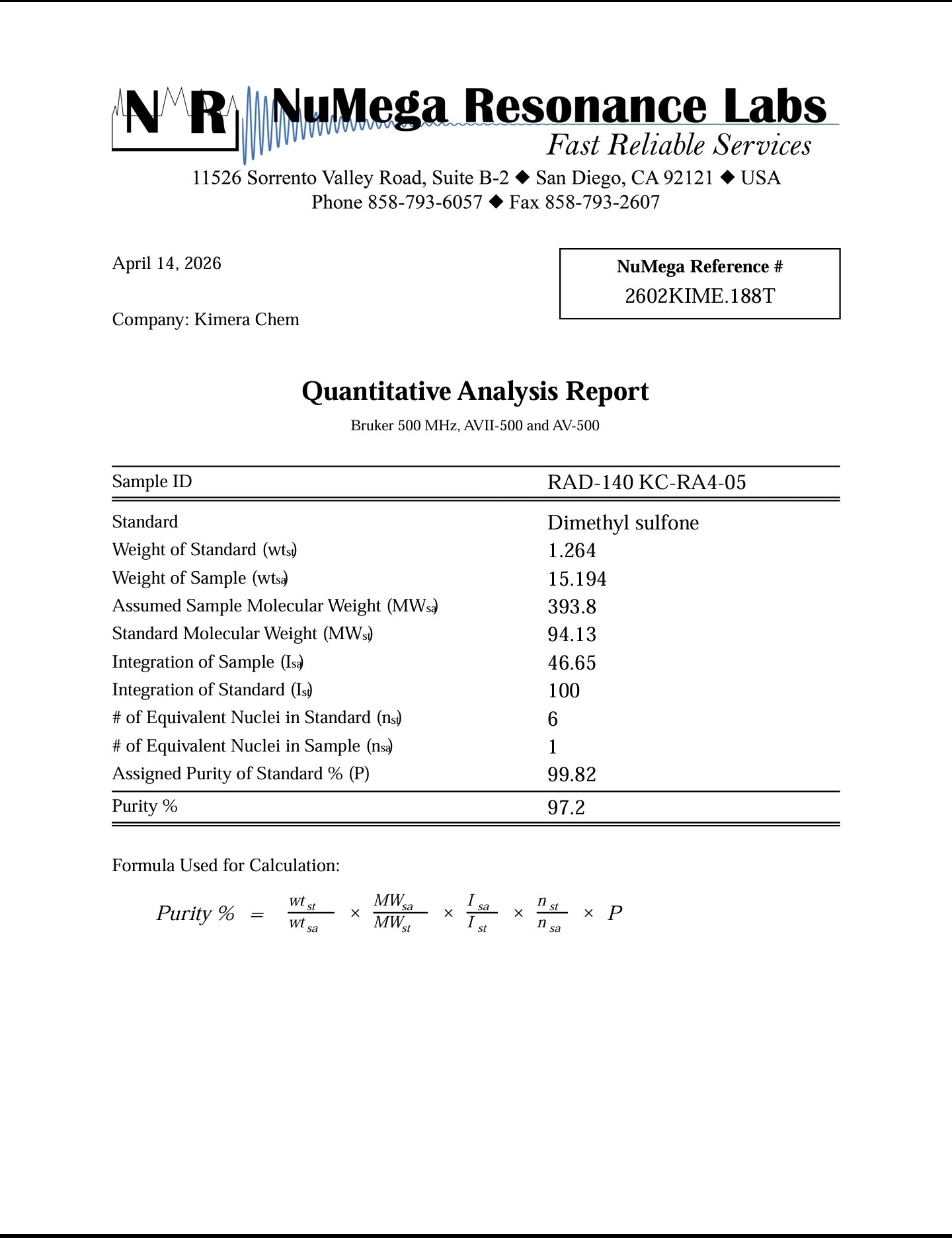
- RAD-140 (Testolone)
- RAD-150 (TLB-150)
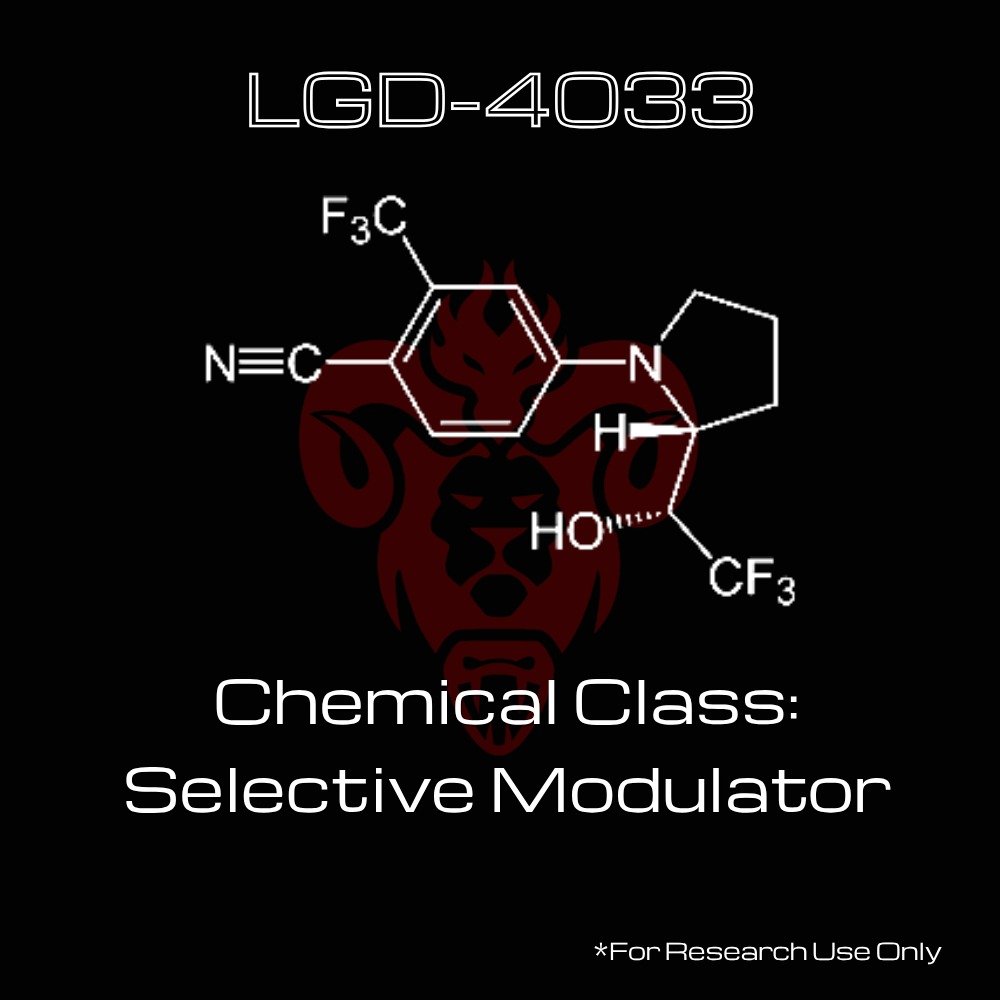
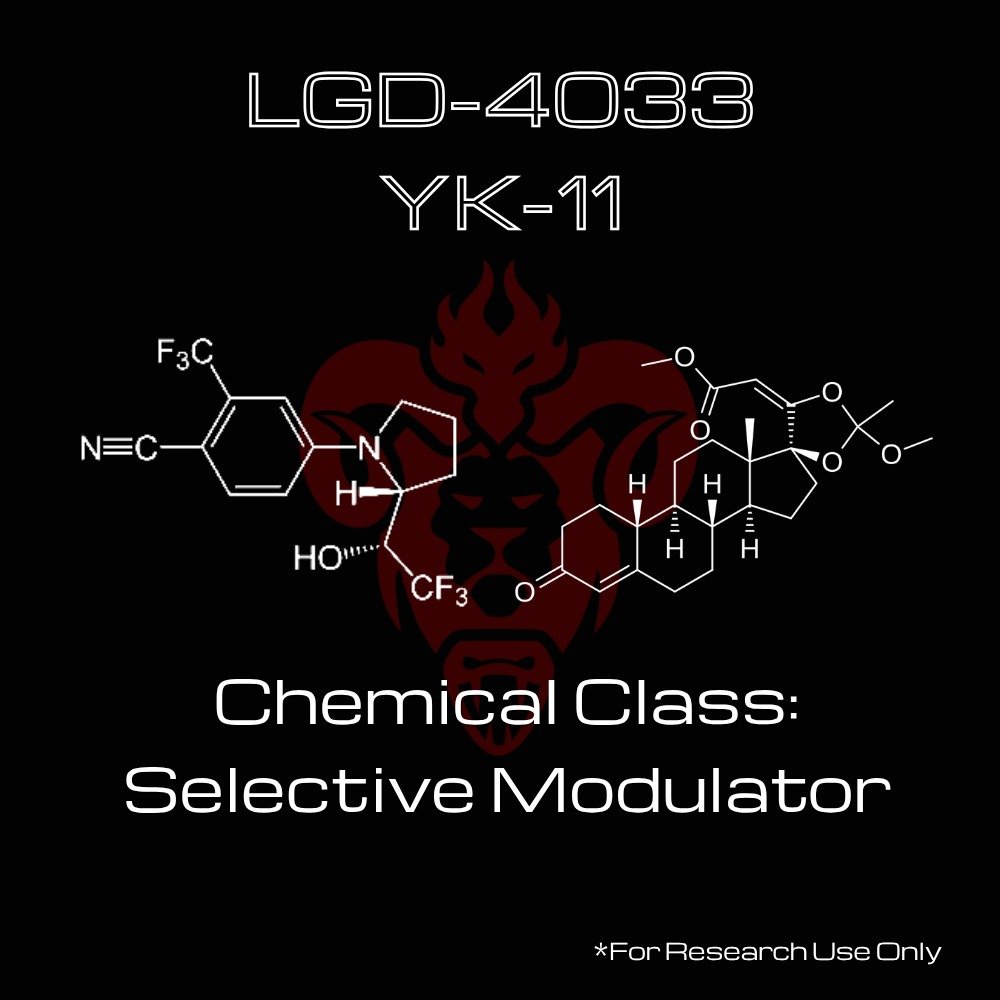
- LGD-4033 (Ligandrol)
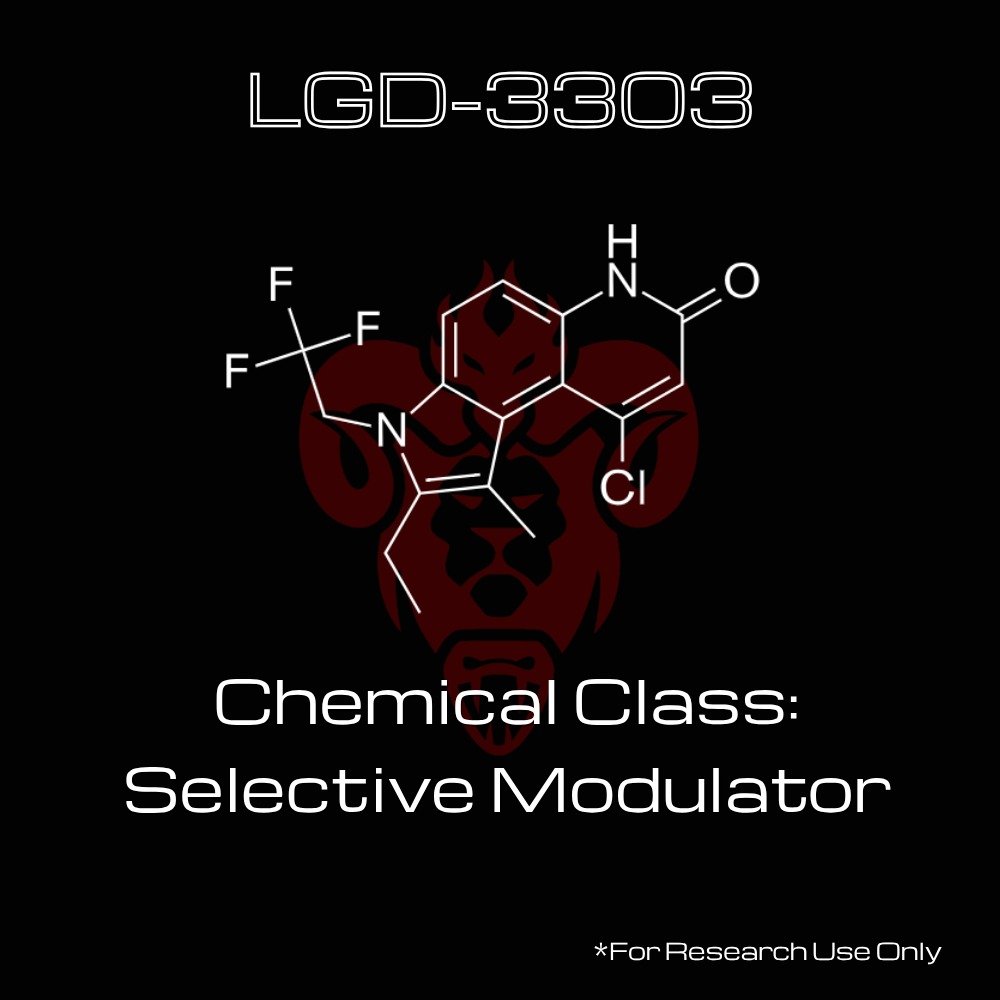
- LGD-3303
- YK-11 (Myostine)
- S-4 (Andarine)
- S-23
- ACP-105
- GW-501516
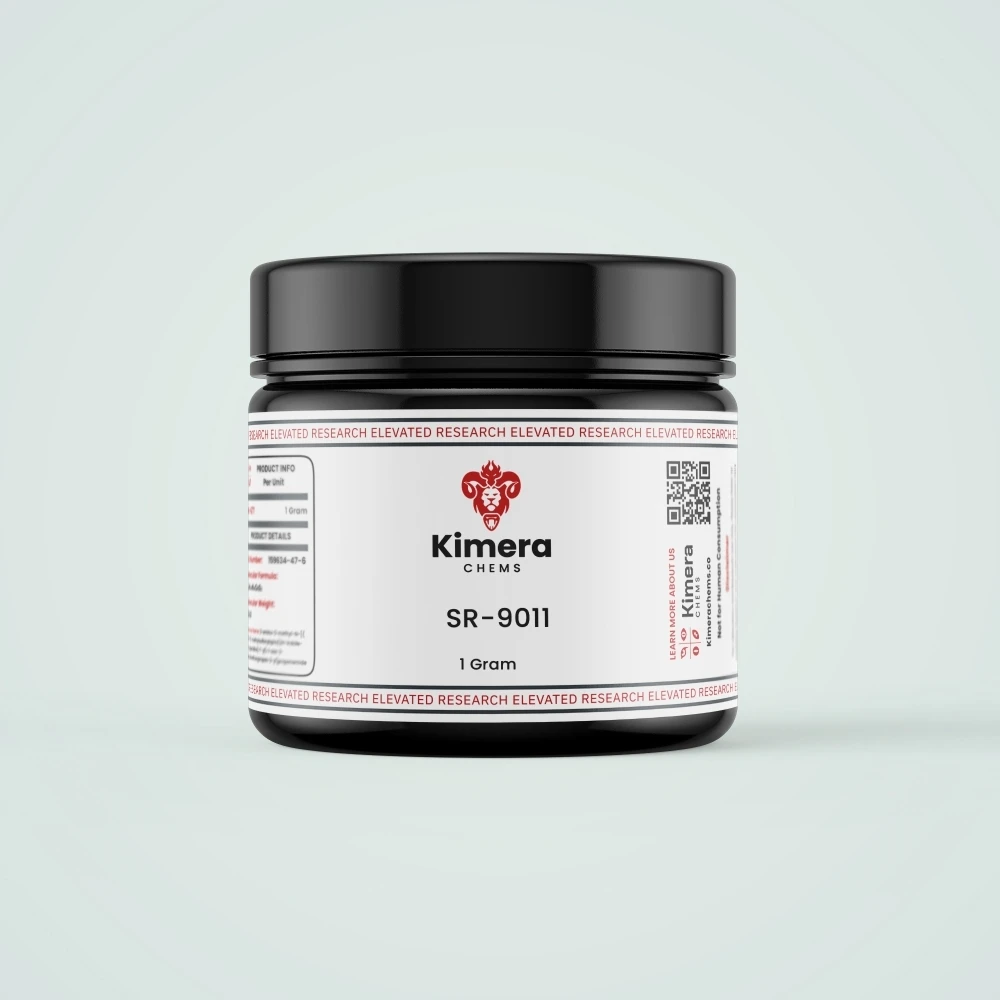
- SR-9009 (Stenabolic)
Available quantities, concentrations, and physical formats differ by product. Researchers should verify the specific product page, compound identifiers, and supporting documentation before selecting a material.
Why Compound Classification Matters
The phrase “selective modulator” describes a broad research concept rather than one universal compound family. Materials grouped in this category may interact with different biological targets and should not all be described as selective androgen receptor modulators.
| Research consideration | Question to investigate |
|---|---|
| Primary target | Which receptor, enzyme, or signaling component is being investigated? |
| Selectivity | What evidence supports preferential interaction with the proposed target? |
| Chemical class | Does the compound belong to the same structural class as comparison materials? |
| Binding behavior | Is the material being studied as an agonist, antagonist, partial agonist, or other ligand? |
| Experimental context | Is the intended work analytical, biochemical, cellular, or preclinical? |
| Evidence level | Which analytical and reference data support the material’s identity? |
Accurate classification helps researchers avoid invalid comparisons between compounds that may appear in the same commercial category but act through different molecular systems.
How to Select a Research Selective Modulator
Selection should begin with the experimental objective rather than the compound’s popularity or abbreviated name. Before ordering, define the target, planned analytical method, required format, and evidence needed to support the study.
Review the following product characteristics:
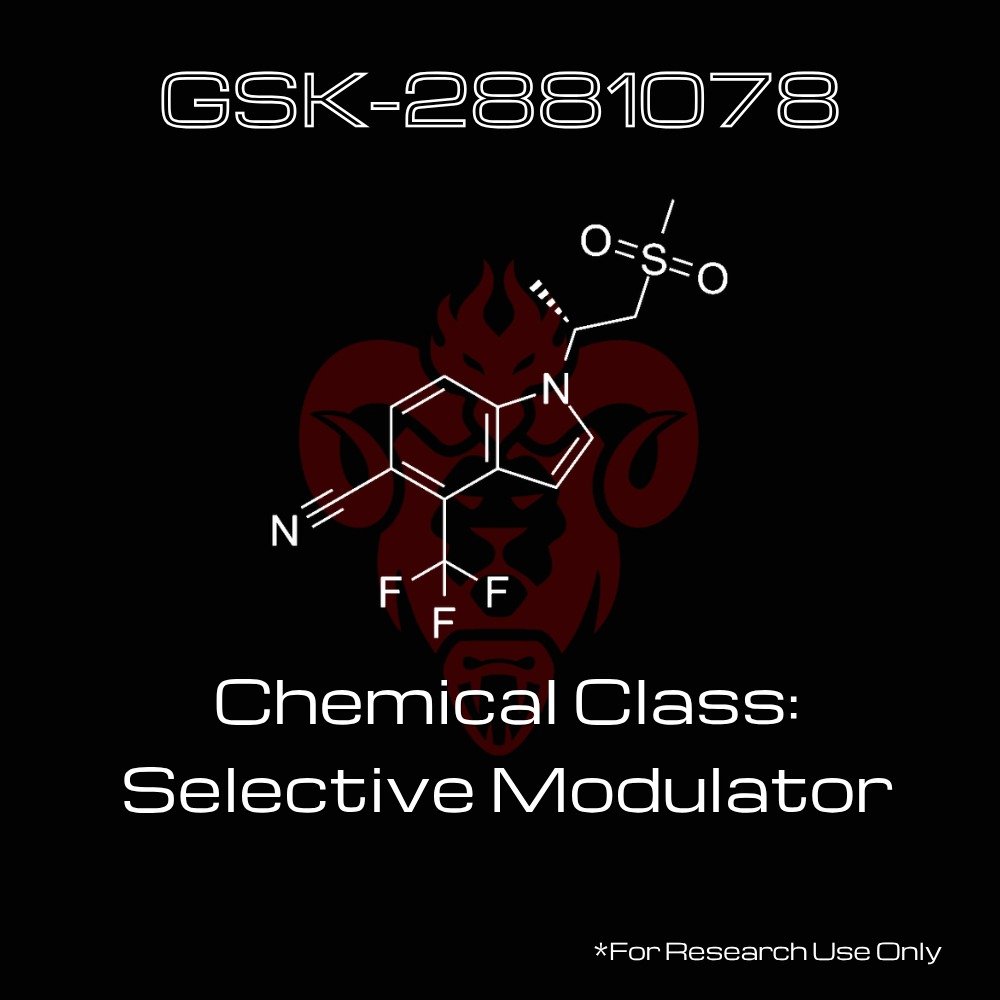
- Complete chemical or research name
- Recognized synonyms and abbreviations
- CAS number, where applicable
- Molecular formula and molecular weight
- Proposed molecular target
- Available concentration or physical format
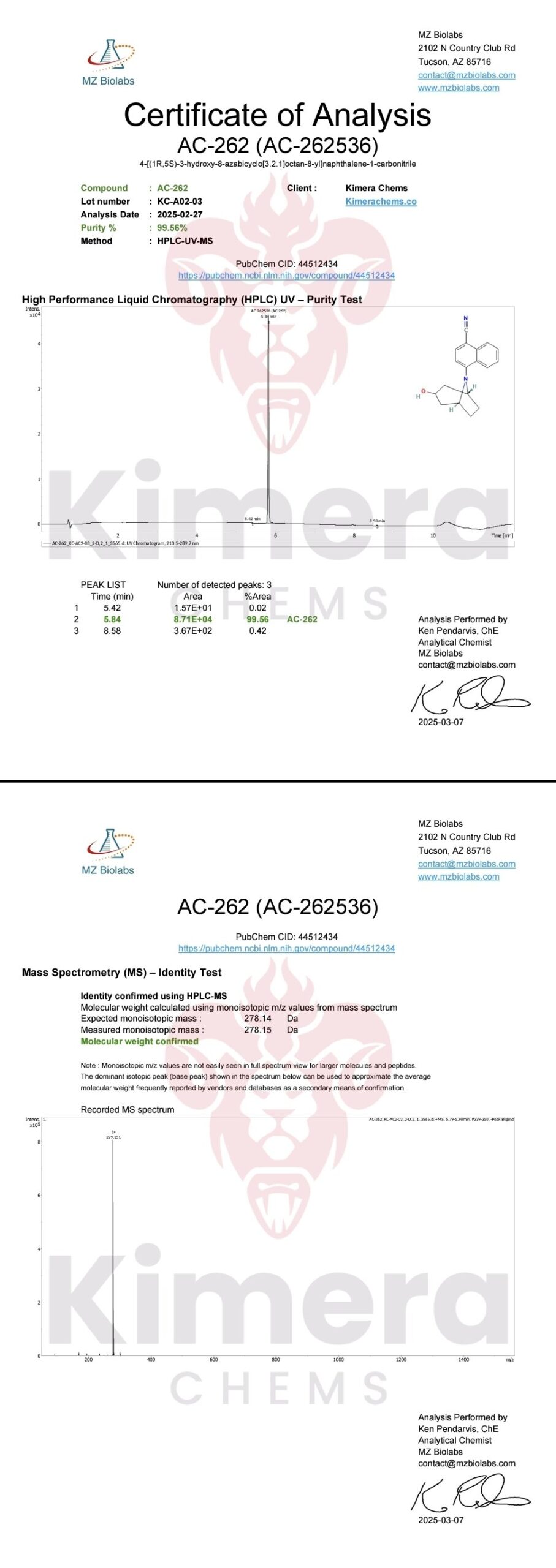
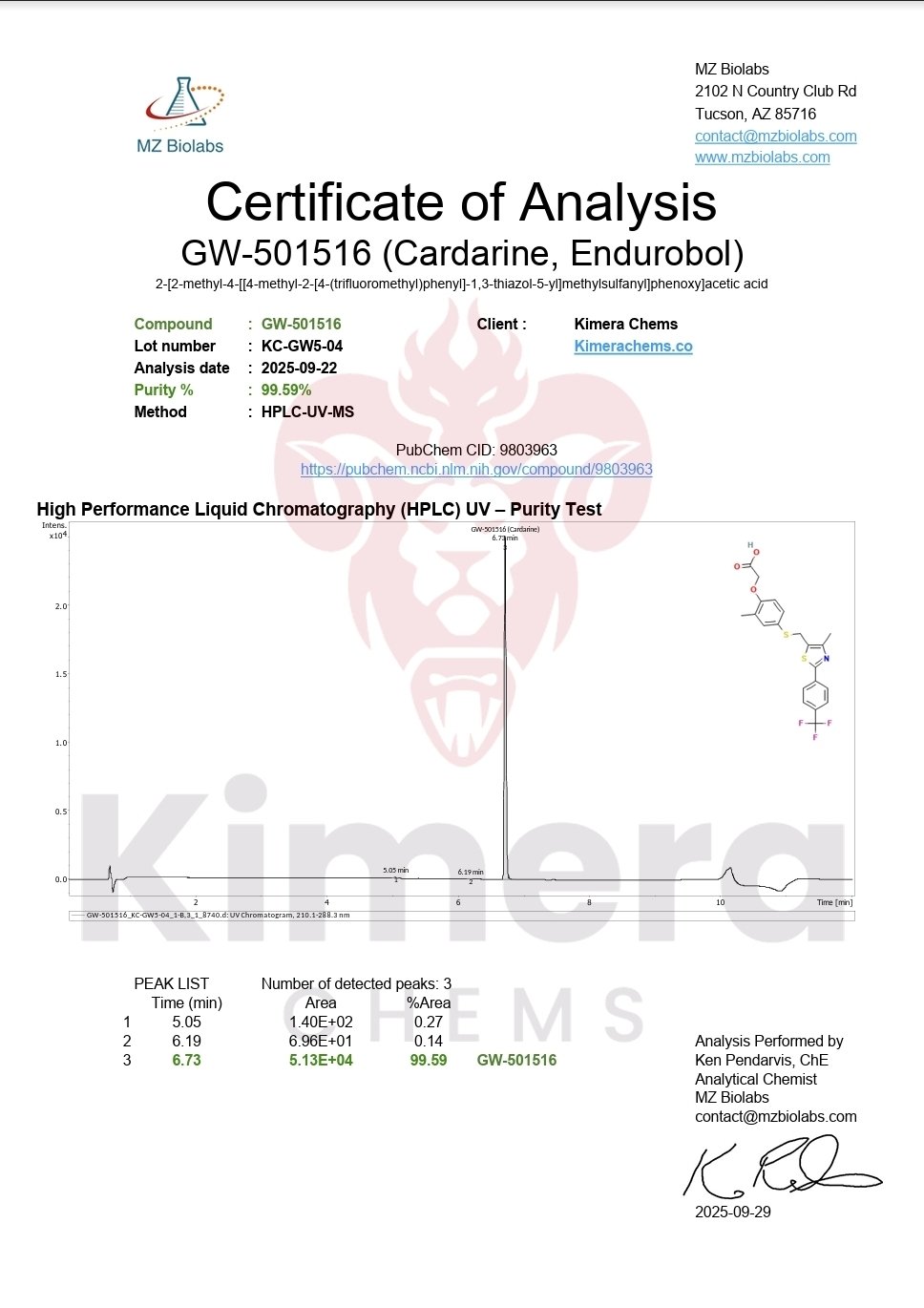
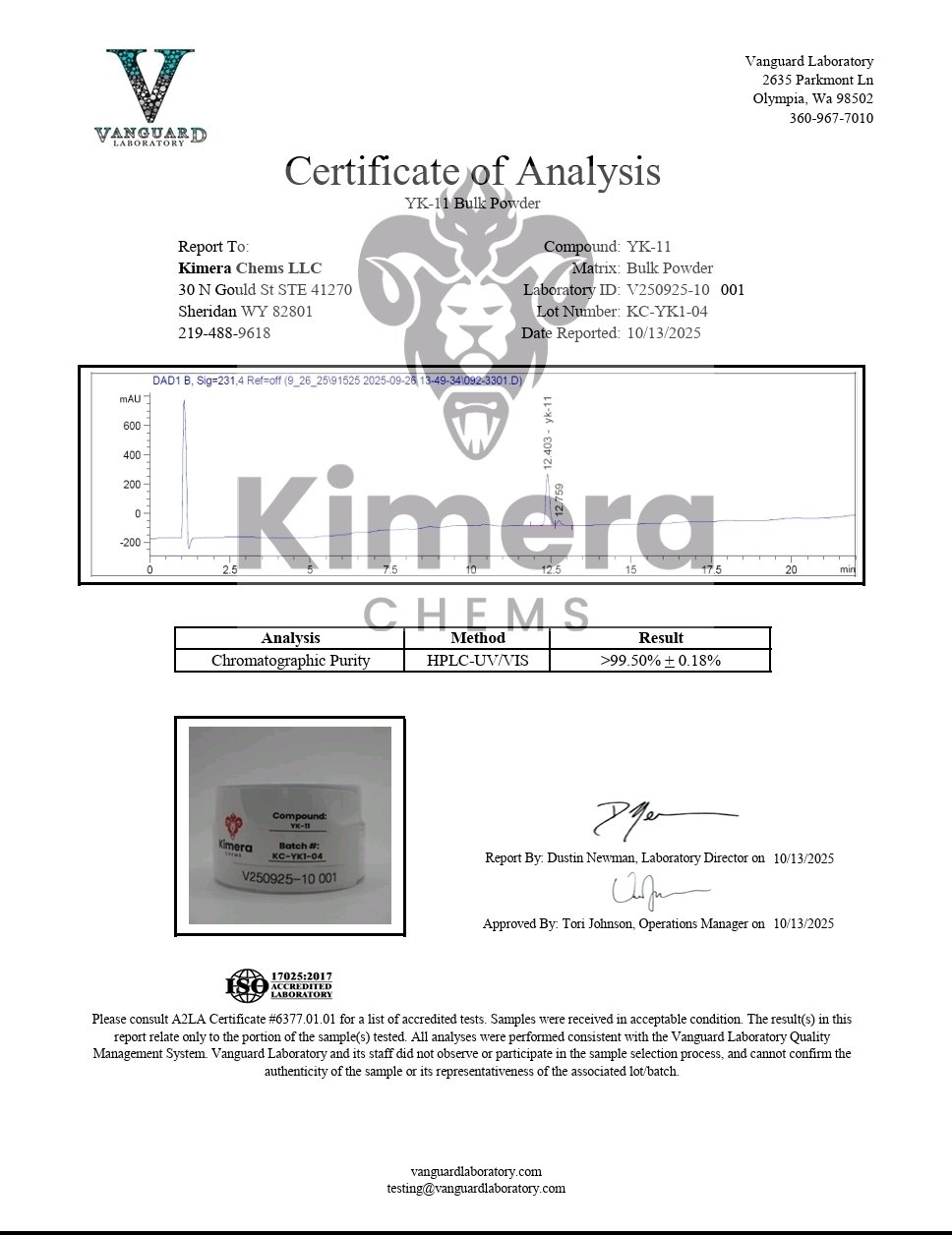
- Reported purity and analytical method
- Solubility information
- Storage and handling requirements
- Batch or lot documentation
Abbreviations should be interpreted carefully because similar product names do not necessarily indicate similar structures or experimental properties.
Identity and Purity Are Separate Questions
A chromatographic result showing one dominant peak does not independently establish that the peak represents the expected selective modulator. Likewise, molecular-mass evidence may support identity without determining absolute sample content.
Researchers should separate the analytical questions:
- Identity: Is the material consistent with the expected compound?
- Chromatographic purity: What proportion of the detected response belongs to the principal peak?
- Assay or content: How much of the defined component is present?
- Physical composition: Are water, solvents, salts, or other components present?
For additional guidance, read Research Compound Purity vs Identity and HPLC Purity Percentage Explained.
Reviewing Batch Documentation
Analytical results apply to the material and batch tested. A certificate from another production lot should not automatically be assumed to represent the current product.
Before relying on documentation, confirm:
- The complete product name
- The batch or lot number
- The date of analysis
- The testing laboratory
- The methods used
- The reported values and units
- The applicable specifications
- Whether chromatograms or spectra are attached
- Whether attachments identify the same batch
- Whether any limitations or deviations are disclosed
Available reports can be reviewed through the Kimerachems Certificate of Analysis library. The guide How to Read a Research Compound COA provides a complete document-review workflow.
Comparing Selective Modulators in Laboratory Research
Meaningful comparison requires consistent experimental conditions. Differences in solvent, concentration, exposure period, analytical method, sample preparation, or biological model can influence the observed result.
A comparative workflow should document:
- The identity and batch of each material
- Preparation and dilution procedures
- Vehicle or solvent controls
- Concentration ranges
- Instrument and method settings
- Reference or control materials
- Acceptance criteria
- Deviations from the planned procedure
Researchers should avoid drawing conclusions from product names or assumed classifications when the compounds have not been tested under equivalent conditions.
Storage and Handling
Storage requirements depend on the structure, format, and stability of the individual compound. Follow product-specific documentation and established institutional procedures instead of applying one condition across the entire category.
Laboratory records should identify the product, batch, storage location, date received, date opened, preparation history, and personnel responsible for handling. Appropriate personal protective equipment, compatible containers, ventilation, and disposal procedures should be selected through a laboratory risk assessment.
Why Researchers Choose Kimerachems
- Catalog covering multiple selective-modulator research classes
- Product-specific formats and compound information
- Batch documentation where available
- Certificate of Analysis library
- Educational guides covering HPLC, mass spectrometry, NMR, and COA review
- Research-use-only product positioning
Kimerachems provides documented research materials to help qualified researchers compare compound information and available formats. The researcher remains responsible for determining whether a material and evidence package are suitable for the intended laboratory procedure.
Frequently Asked Questions
Are all products in this category SARMs?
No. This category contains compounds associated with different targets and research classifications. Each product should be evaluated according to its specific structure, target, and supporting scientific information.
What does selective modulation mean?
Selective modulation generally refers to preferential interaction with a particular molecular target, receptor subtype, or signaling pathway under specified experimental conditions. Selectivity is method- and context-dependent.
Does HPLC purity confirm the identity of a selective modulator?
No. HPLC can provide chromatographic purity evidence, but compound identity may require mass spectrometry, NMR, reference comparison, or another suitably selective procedure.
Can one certificate represent every product batch?
No. Analytical documentation should be matched with the exact product and batch being evaluated.
Are these compounds intended for bodybuilding or personal use?
No. Products in this category are supplied exclusively for controlled laboratory, analytical, and preclinical research. They are not intended for bodybuilding, personal experimentation, human consumption, veterinary administration, or clinical use.
How should selective modulator research materials be stored?
Storage requirements vary by compound and format. Follow the product-specific documentation and established laboratory storage procedures.