
Kimerachems Amino research compounds
Amino research compounds from Kimerachems include amino-based materials, biochemical reagents, cofactor-related compounds and laboratory formulations supplied for controlled analytical and preclinical research.
The products grouped in this category do not all represent conventional individual amino acids. Some are derivatives, biochemical compounds or multi-component research formulations. Researchers should review each product’s complete composition, identifiers and documentation rather than relying on the category name alone.
All materials are supplied exclusively for controlled laboratory research and are not medicines, dietary supplements or consumer products. They are not intended for human or veterinary consumption.


Aminos


Aminos


Aminos
Aminos

Aminos


Aminos


Aminos


Aminos


Aminos


Aminos


Aminos

Aminos


Aminos

Aminos


Aminos
Aminos


Aminos


Aminos


Aminos
Browse Amino and Biochemical Research Materials
This category brings together materials used in analytical, biochemical and molecular research workflows. Available formats and compositions differ between products, so selection should be based on the intended experimental method and product-specific documentation.
Research materials in this category include:
- 5-Amino-1MQ
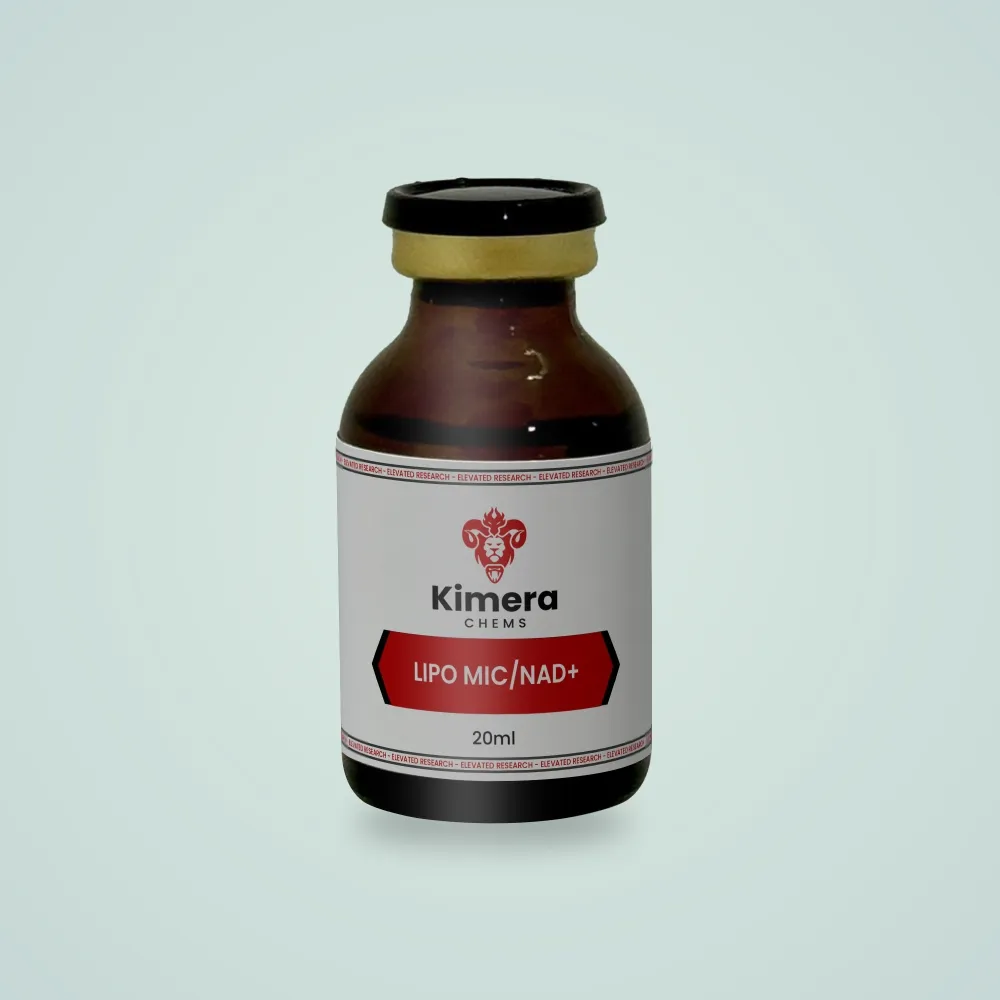
- 5-Amino/MIC
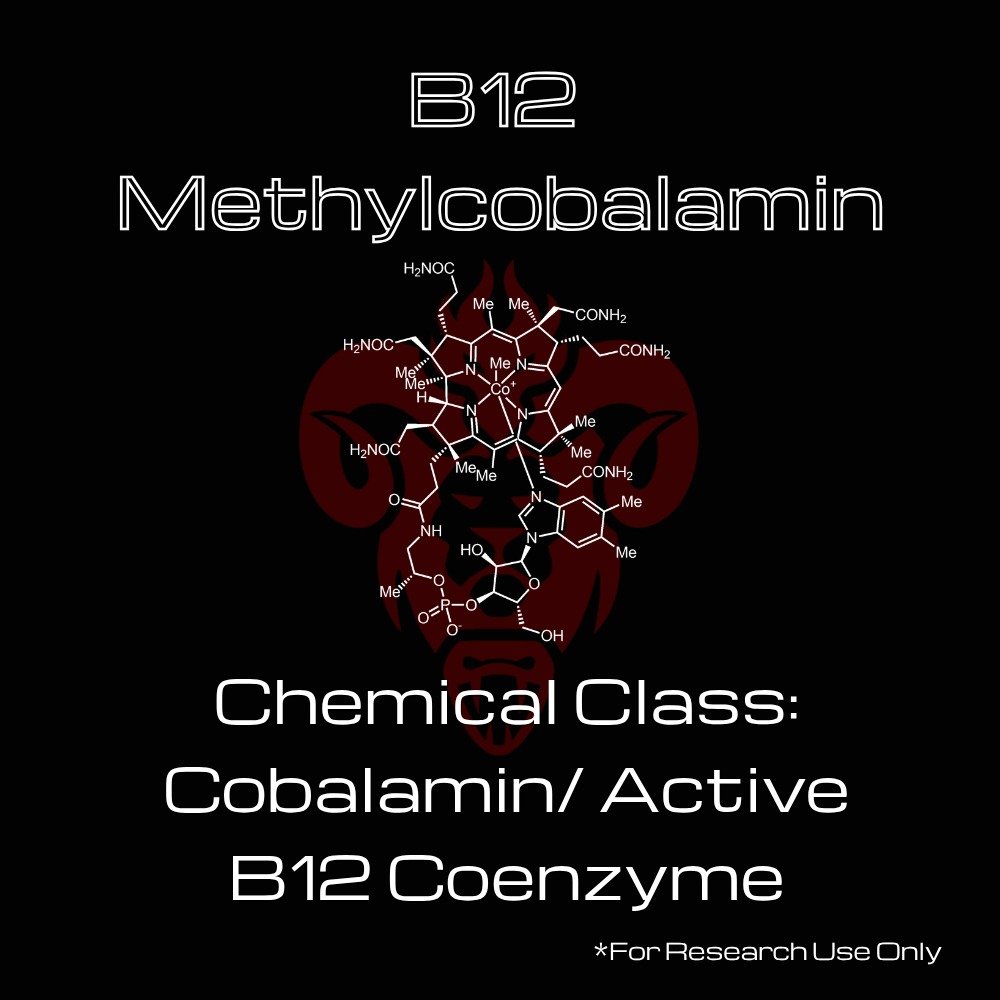
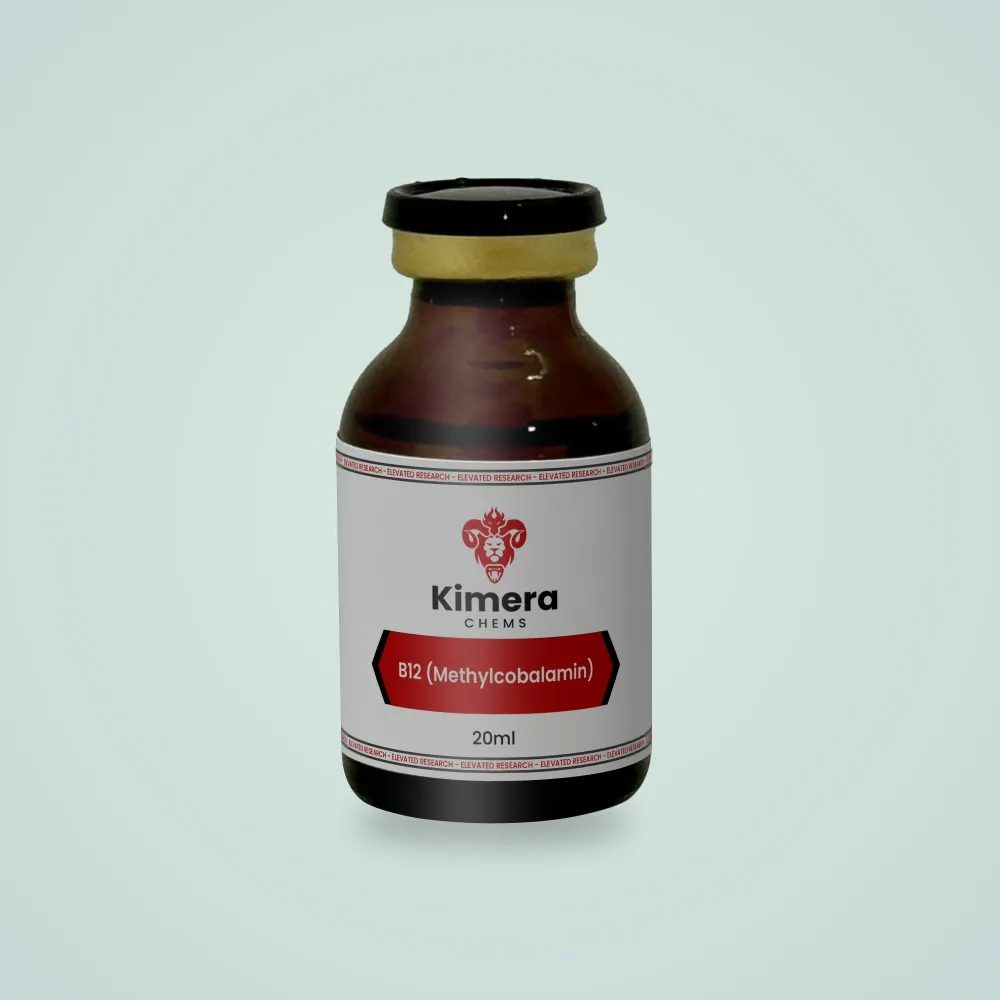
- B12 (Methylcobalamin)
- Coenzyme Q10
- Glutathione
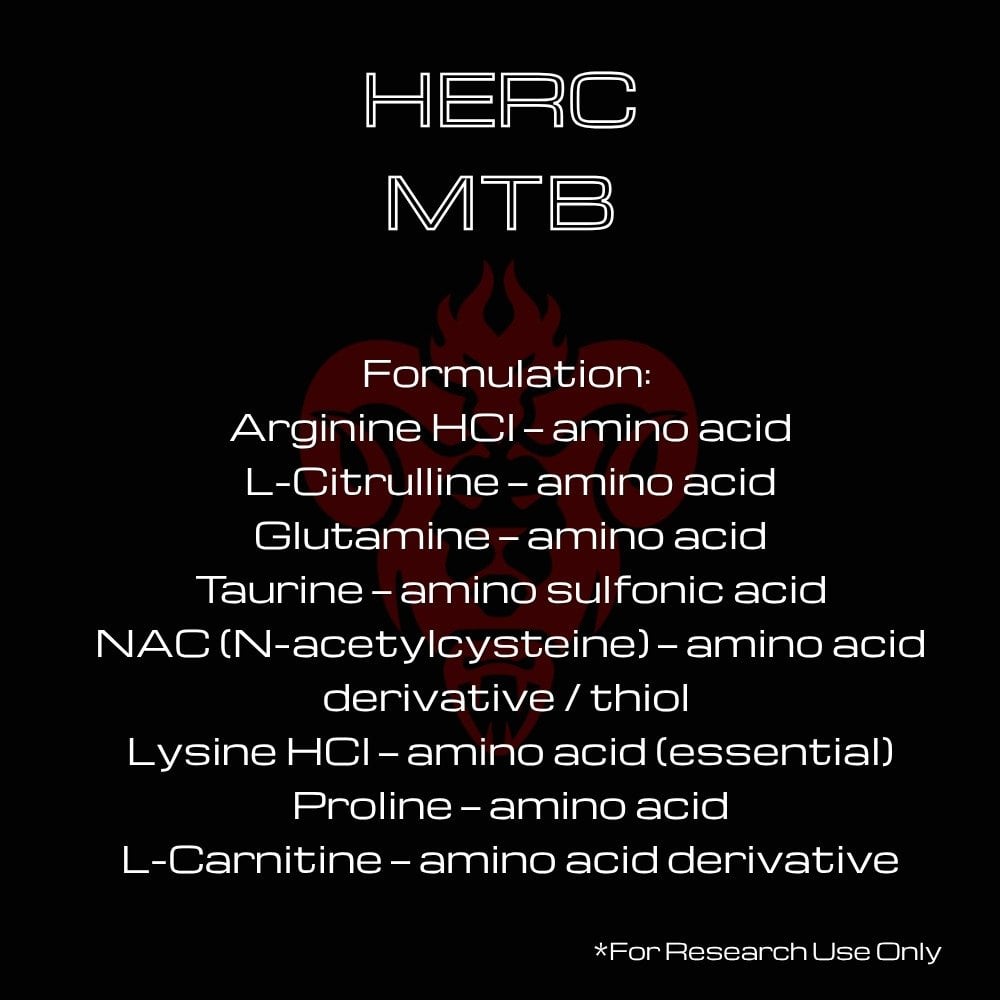
- L-Carnitine
- NAD+
- NAC (IMMUN)
- GHK-CU Amino
Researchers should confirm the product name, physical format, listed concentration and available documentation before ordering. Formulation names should not be assumed to disclose every constituent or its proportion.
Understand What the Product Name Represents
Amino-related product names can describe substantially different types of materials. The name may identify a single compound, a derivative, a cofactor-related molecule, a peptide-associated material or a formulated research system.
| Material type | Important review question |
|---|---|
| Single defined compound | Are identity, molecular formula and purity adequately documented? |
| Amino derivative | Which structural modification distinguishes it from the parent compound? |
| Cofactor-related material | Which chemical form or oxidation state is listed? |
| Multi-component formulation | Are all components and their stated concentrations identified? |
| Peptide-associated material | Is the product a free amino compound, peptide or coordinated complex? |
This classification step is important because materials with similar marketing names may differ in chemical structure, molecular weight, analytical response and suitability for a particular laboratory procedure.
How to Select an Amino Research Compound
Begin by defining the purpose of the experiment and the evidence required to support material selection. A compound suitable for exploratory biochemical work may not automatically be suitable for quantitative calibration or another procedure requiring an assigned content value.
Review the following information:
- Complete chemical or formulation name
- Recognized synonyms
- CAS number, where applicable
- Molecular formula and molecular weight
- Chemical form, salt or coordination state
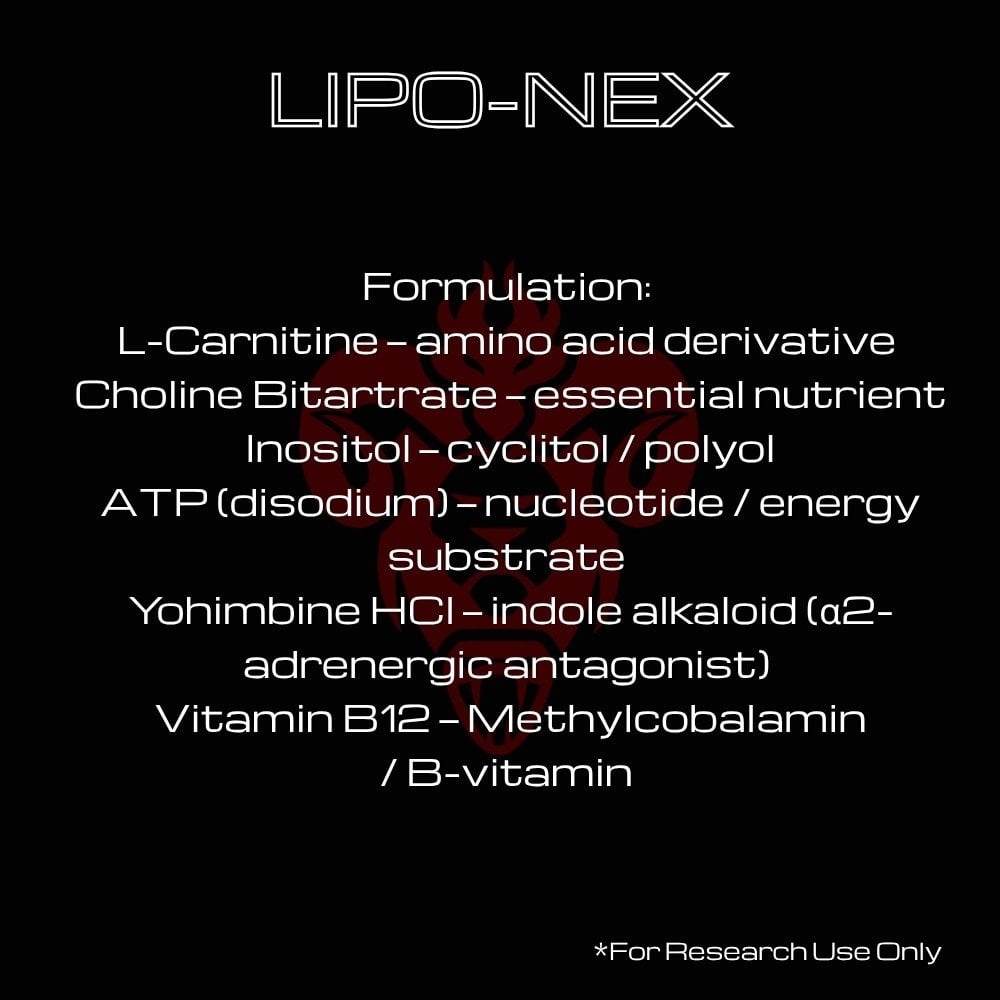
- Listed components for formulated materials
- Available quantity or concentration
- Reported purity or assay
- Solubility and preparation information
- Storage and handling requirements
- Batch or lot documentation
If the product is a blend or named formulation, confirm whether the available documentation applies to the complete formulation or only to an individual constituent.
Identity, Purity and Composition
Amino-related materials can require different analytical approaches depending on their structures and physical properties. No single procedure is automatically sufficient for every compound in the category.
Identity testing
Identity testing investigates whether the analytical characteristics of a material are consistent with the expected compound. Supporting evidence may include mass spectrometry, NMR, chromatography or comparison with a suitable reference.
Chromatographic purity
A chromatographic purity percentage represents relative detector response under a defined method. Detector selection, wavelength, peak integration and compound response can influence the reported result.
Quantitative content
Quantitative assay measures the amount or concentration of a defined component. This is especially important for multi-component formulations where a total chromatographic area percentage may not establish the quantity of each constituent.
Physical composition
Water, residual solvents, counterions, salts and other components may contribute to total material mass without being represented accurately by a single chromatographic method.
Review Research Compound Purity vs Identity for a detailed explanation of these distinctions.
Evaluating Multi-Component Research Formulations
Formulated amino research materials require additional documentation because the product may contain multiple defined components. Researchers should not assume that a formulation name establishes its exact composition.
For a multi-component material, check:
- Which components are present
- The stated amount or concentration of each component
- The physical or solvent system
- Whether the values are nominal or analytically measured
- Which methods were used for quantitative determination
- Whether every component can be detected by the reported method
- The batch number associated with the result
- Storage requirements for the complete formulation
A method that responds strongly to one component may not respond equally to another. Quantitative conclusions should therefore be based on procedures suitable for the individual analytes.
Reviewing Batch Documentation
Analytical documentation should connect the reported results to the exact product and batch being evaluated. Before relying on a certificate, confirm:
- Product or formulation name
- Batch or lot number
- Date of analysis
- Testing laboratory
- Analytical methods used
- Results, specifications and units
- Component concentrations, where applicable
- Attached chromatograms or spectra
- Authorized review or approval information
- Any reported limitations or deviations
Available records can be reviewed through the Kimerachems Certificate of Analysis library. For a complete evaluation workflow, read How to Read a Research Compound COA.
Matching the Material to the Analytical Method
Method suitability depends on the chemical properties of the analyte. A procedure appropriate for a strongly UV-absorbing compound may be unsuitable for another material with limited response at the selected wavelength.
Researchers may need to evaluate:
- UV or visible absorbance
- Ionization behavior
- Chromatographic retention
- Solvent compatibility
- Expected concentration range
- Matrix interference
- Method detection capability
- Availability of a suitable reference material
The guides to HPLC Detection Wavelength, HPLC Detector Types and HPLC LOD and LOQ provide additional method-development context.
Storage, Handling and Traceability
Storage requirements vary by compound, formulation and physical format. Researchers should follow product-specific documentation and institutional laboratory procedures rather than applying one condition across the category.
Appropriate records should include:
- Date received
- Product and batch identifiers
- Storage location and conditions
- Date opened
- Preparation or dilution history
- Personnel responsible for handling
- Observed changes or deviations
- Final use or disposal record
Suitable personal protective equipment, compatible containers, ventilation and disposal procedures should be determined through a laboratory risk assessment.
Why Researchers Choose Kimerachems Aminos
- Catalog of amino-related and biochemical research materials
- Individual compounds and research formulations
- Multiple laboratory formats where available
- Product-specific technical information
- Batch documentation where provided
- Certificate of Analysis library
- Analytical guides covering chromatography, spectroscopy and document review
Kimerachems provides research materials and supporting information to help qualified laboratories evaluate product identity, composition and available formats. Researchers remain responsible for determining whether a material and its evidence package are suitable for the intended procedure.
Frequently Asked Questions
Are all products in the Aminos category individual amino acids?
No. This category includes amino-based compounds, biochemical materials, derivatives, cofactor-related substances and multi-component research formulations.
How should a multi-component amino formulation be evaluated?
Review the identity and stated concentration of every component, the formulation system, applicable analytical methods and batch-specific documentation.
Does chromatographic purity establish formulation content?
Not necessarily. Chromatographic area purity and quantitative component content are different measurements. Separate quantitative procedures may be required.
Can one analytical method detect every component?
No. Components may differ in their chromatographic behavior, absorbance or ionization efficiency. Method suitability should be evaluated for each analyte.
Can documentation from one batch represent another batch?
No. Analytical results should be matched to the exact material and batch being evaluated.
Are these materials intended as supplements?
No. Products in this category are supplied strictly for controlled laboratory, analytical and preclinical research. They are not dietary supplements and are not intended for human or veterinary consumption.