

GB-115
Price range: $46.99 through $101.99
Kimerachems GB-115 for sale. Intended for controlled laboratory and analytical research only.
Review available formats, product specifications and batch documentation before ordering. Not for human consumption.
Kimerachems GB-115 for sale. This material is supplied exclusively for controlled laboratory and analytical research. Review available formats, technical specifications and batch documentation before ordering. Not for human consumption.
GB-115
GB-115 is a synthetic retro-dipeptoid recognized in pharmacological literature as a high-affinity central antagonist of the cholecystokinin-1 (CCK-1) receptor. Developed through the Zakusov Institute’s specialized dipeptoid research program, the molecule features a unique “retro” backbone—a reversed peptide-bond orientation relative to the native cholecystokinin fragment. This structural modification confers robust resistance to endogenous proteolytic degradation while simultaneously preserving precise receptor recognition parameters. Within neuropharmacology and behavioral research models, GB-115 serves as a critical reference ligand for investigating CCK-mediated signaling, specifically regarding its anxiolytic potential and its role in central nervous system homeostasis.
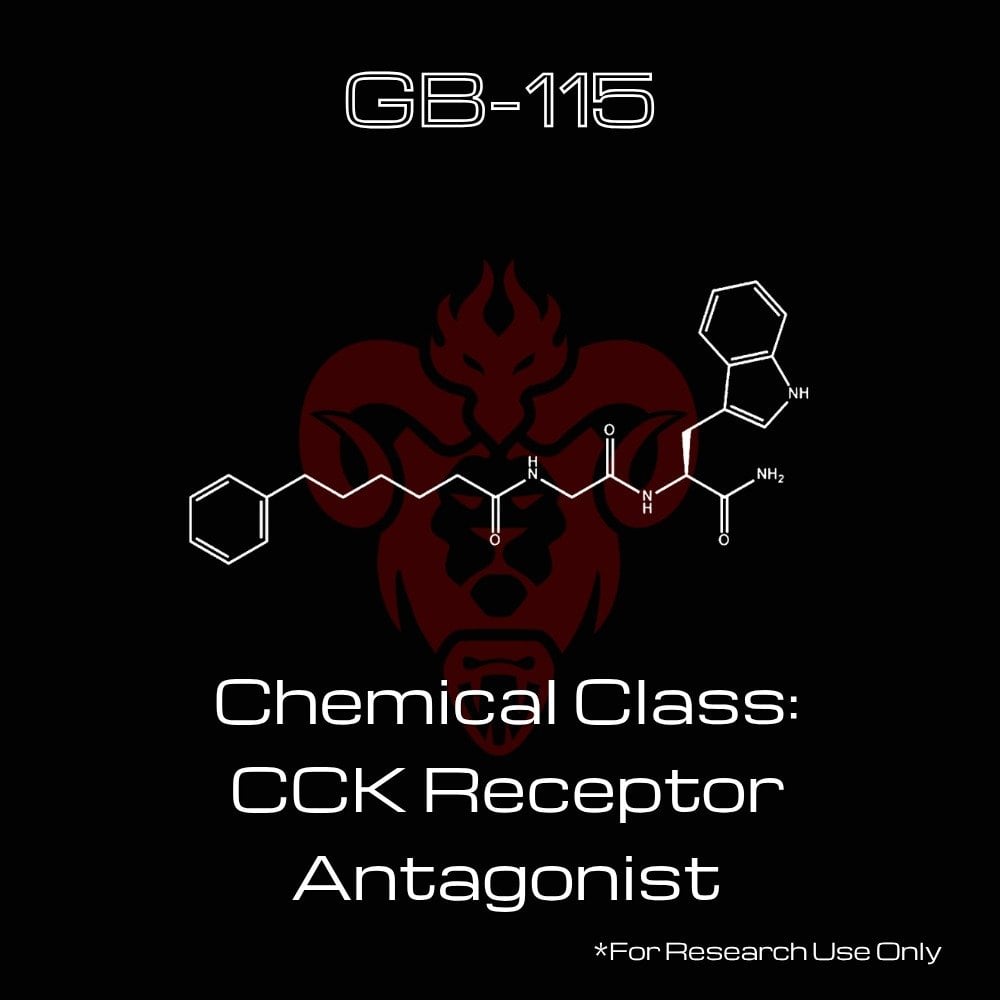
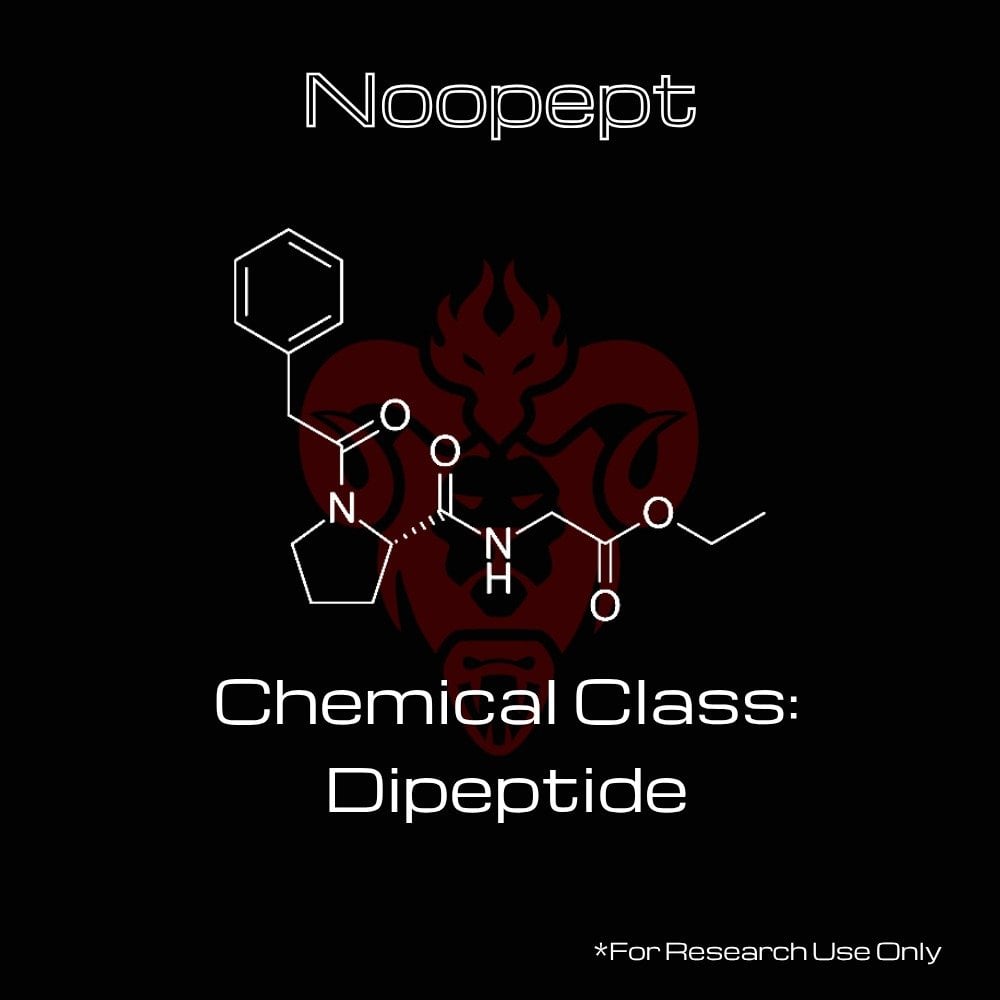
Structural Attributes to Note: The analytical diagram above details the N-phenylhexanoyl glycyl-tryptophan amide scaffold. The “retro” configuration is key to the molecule’s experimental utility: by inverting the sequence of the standard peptide backbone, the molecule retains the critical pharmacophore required to dock into the CCK-1 binding pocket, yet it remains effectively invisible to the degradative enzymes that would otherwise rapidly catabolize a traditional linear peptide in in vitro assay environments.
Technical Specifications
| Property | Specification |
| Product Name | GB-115 |
| CAS Number | 678996-63-9 |
| Backbone | N-phenylhexanoyl glycyl-tryptophan amide |
| Molecular Formula | C₂₅H₃₀N₄O₃ |
| Molecular Weight | 434.53 g/mol |
| Chemical Class | Synthetic Retro-Dipeptoid / CCK-1 Receptor Antagonist |
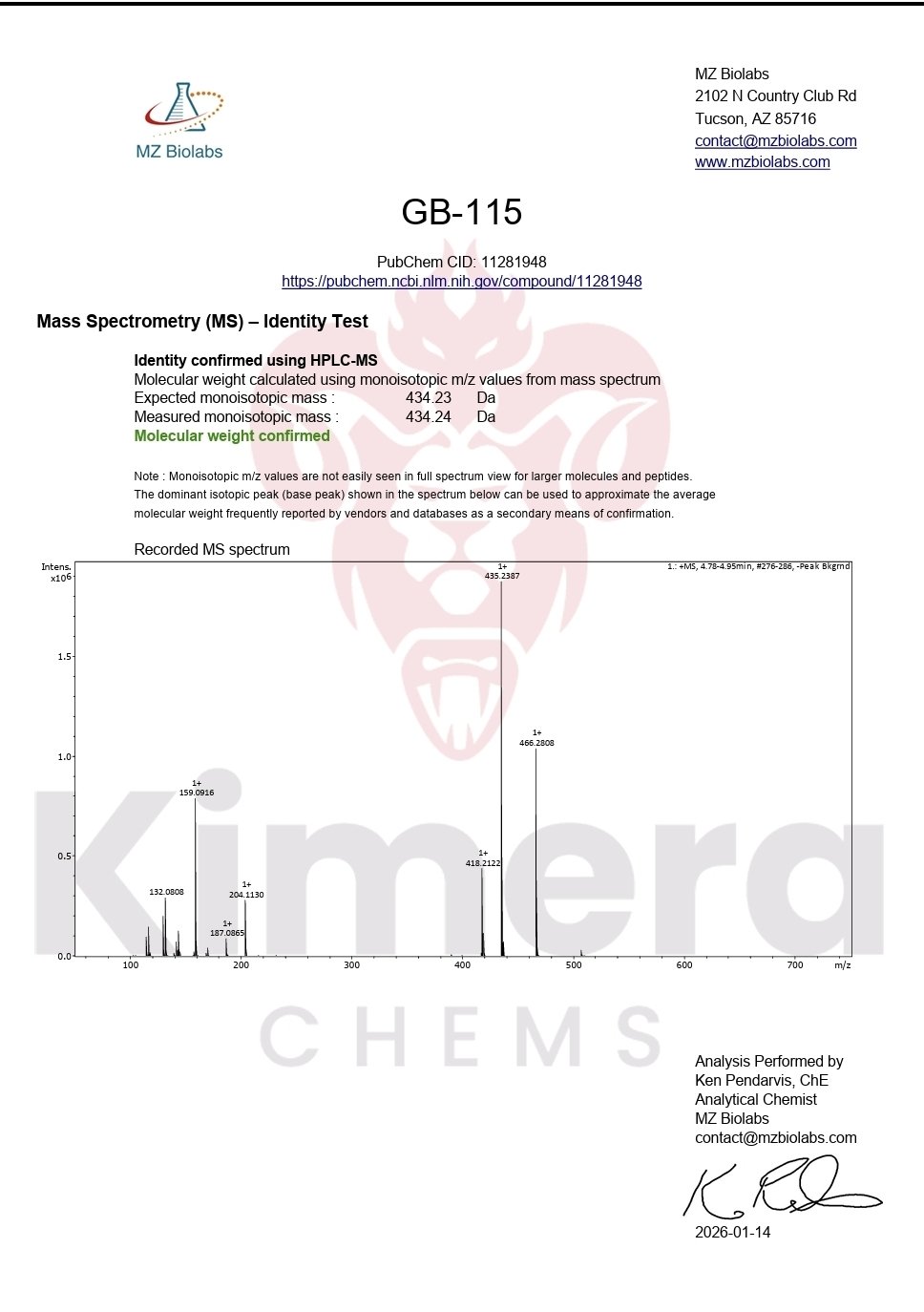
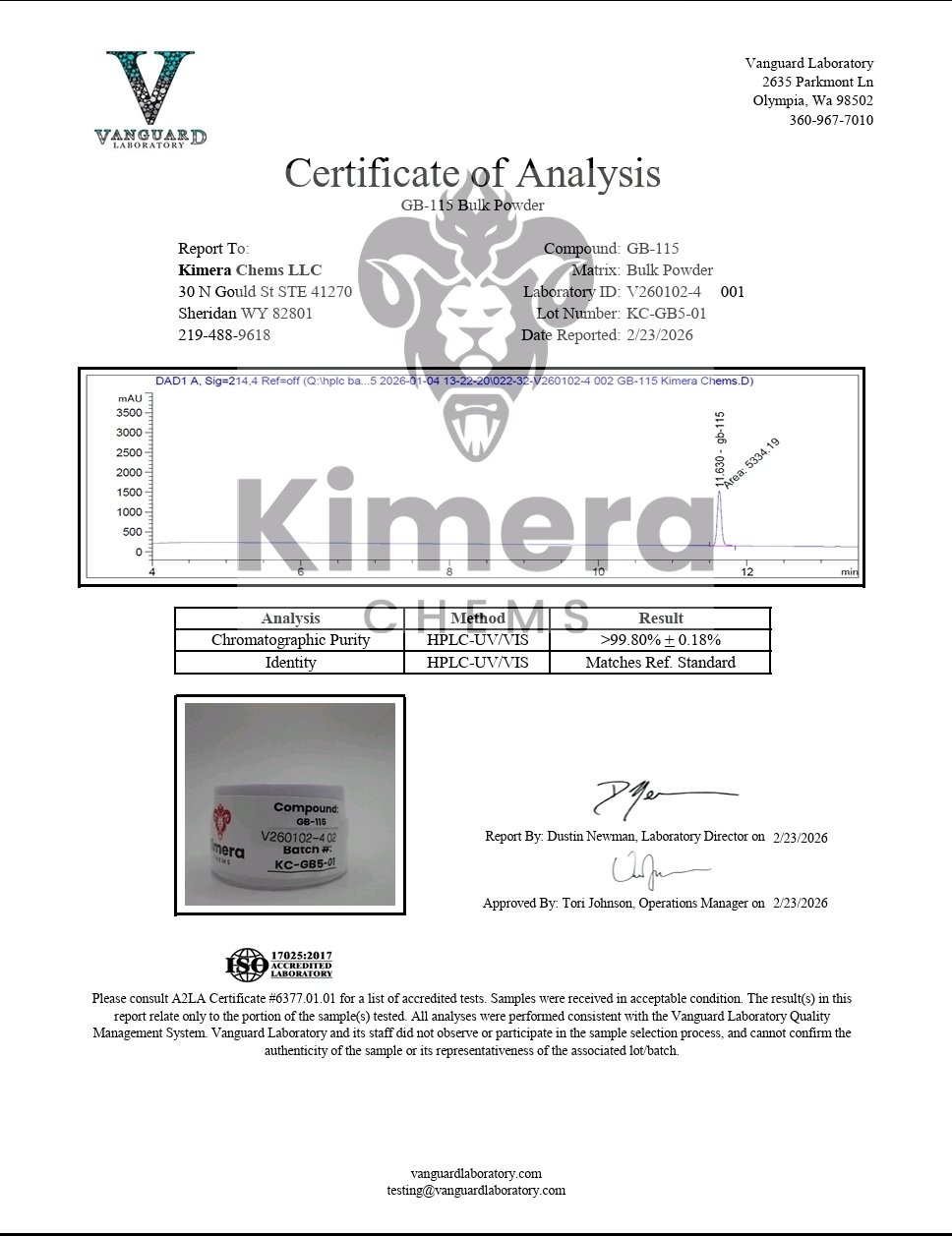
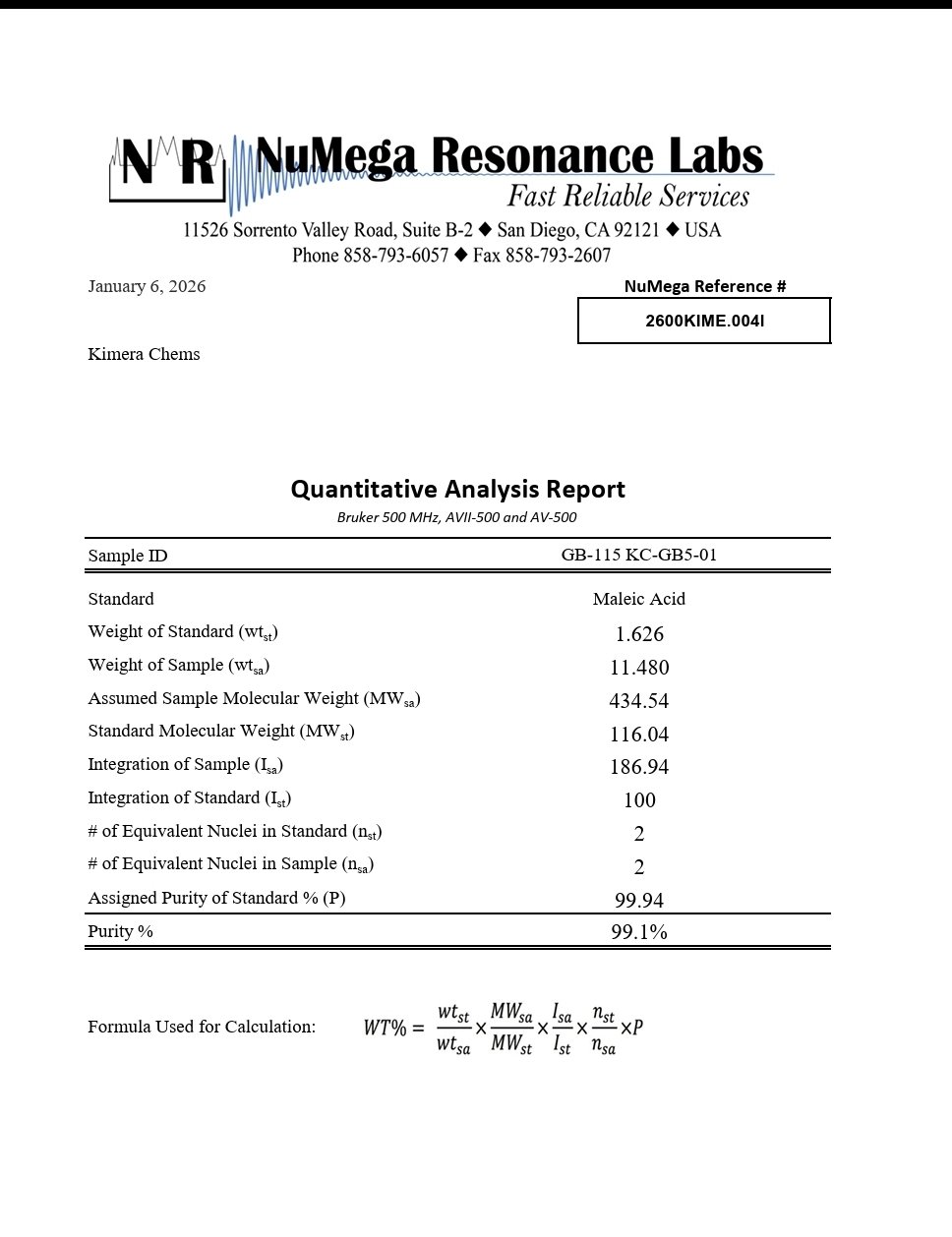
| Assay Purity Baseline | ≥98% (HPLC & MS verified) |
| Physical Appearance | White to off-white solid powder |
Research Applications & Mechanism of Interest
The primary scientific value of GB-115 in laboratory research is its selective and metabolically stable antagonism of the cholecystokinin-1 receptor subtype within the central nervous system.
Primary fields of preclinical and in vitro laboratory investigation include:
- CCK-1 Receptor Binding Kinetics: Utilizing membrane preparations to measure the competitive displacement of native CCK ligands by GB-115. These assays are essential for charting receptor occupancy rates and binding affinities in neurological tissue models.
- Receptor Selectivity Profiling: Performing comparative assays to map the selectivity of GB-115 against related receptor subtypes (e.g., CCK-1 vs. CCK-2), ensuring rigorous experimental control in signaling models.
- Comparative Pharmacology: Serving as a standard structural benchmark in neurobiological screening panels to evaluate how different dipeptoid architectures modulate anxiety-like behavioral markers.
- Proteolytic Stability Benchmarking: Using GB-115 as a model system to study how reversed peptide-bond orientations (retro-dipeptoids) successfully evade standard peptidase activity compared to linear, native-sequence fragments.
Storage & Handling Guidelines
To maintain absolute structural integrity and protect the retro-dipeptoid backbone from environmental degradation:
- Long-Term Preservation: For multi-year archiving, store the solid reference powder continuously in a deeply frozen environment at -20°C.
- Working Stocks: For daily assay usage, store the powder at 4°C. Reconstituted laboratory solutions should be held at -80°C or -20°C and protected from repeated freeze-thaw cycles.
- Photolytic Safeguards: The tryptophan-containing backbone is sensitive to light-induced oxidation. Shield the material completely from ambient light arrays by maintaining storage within opaque or amber-colored laboratory containment vessels.
- Handling Protocols: Always utilize clean, dry analytical instruments when retrieving material from the master container. Keep the vial hermetically sealed at all times to prevent atmospheric moisture absorption.
- Analytical Auditing Standards: Every production batch is subject to a strict dual-method verification protocol combining High-Performance Liquid Chromatography (HPLC) and Mass Spectrometry (MS) to independently confirm structural identity, molecular mass, and an absolute purity baseline of ≥98%.
Research Use Only Disclaimer: This product is developed, synthesized, and distributed strictly as a Research Use Only (RUO) laboratory reference material intended exclusively for non-clinical analytical and scientific investigation. It is not an FDA-approved drug formulation, active pharmaceutical ingredient, therapeutic agent, or dietary supplement, and is strictly prohibited for human or veterinary consumption. Kimera Chems supplies these high-purity reference materials solely to accredited academic institutions, professional research centers, and qualified investigators.
| CAS Number | 678996-63-9 |
| Other Names | GB115, Ranquilon, L-Tryptophanamide, N-(1-oxo-6-phenylhexyl)glycyl-, N-6-Phenylhexanoyl-glycyl-L-tryptophan, N-(1-Oxo-6-phenylhexyl)glycyl-L-tryptophanamide |
| IUPAC Name | N-[2-[[(2S)-1-amino-3-(1H-indol-3-yl)-1-oxopropan-2-yl]amino]-2-oxoethyl]-6-phenylhexanamide |
| Molecular Formula | C₂₅H₃₀N₄O₃ |
| Molecular Weight | 434.5 |
| Liquid Concentration And Solution | 5mg Per mL/ PEG400, Ethanol |
Product FAQs
What is GB-115 supplied for?
This material is supplied strictly for controlled, non-clinical laboratory and analytical research. It is not intended for human or animal consumption.
Which formats are available for GB-115?
The current listing shows these options: 1 Gram Powder, dry-fill-capsules-2-5mg-60ct-150mg, liquid-30ml-5mg-per-ml-150mg. Availability can change, so confirm the selector above before ordering.
Where can I review product documentation?
Where available, batch documentation can be reviewed in the Certificate of Analysis library before ordering.
Research Documentation Guides
Review these supporting analytical guides before evaluating this material for a controlled research protocol:
Related products


Nootropics


Nootropics

Nootropics

Nootropics

Nootropics


Nootropics


Nootropics

Nootropics